Search Results for: '{{searchText}}'
Sorry...
We don't seem to have what you're looking for.
However we do have thousands of magnificent pieces of silver and jewellery available for you to view online. Browse our store using one of these categories.
Please wait for loading data... 
Browse these categories under "Antique Silverware"
 Antique Decanters
 Antique Match Strikers
 Antique Silver Centrepieces
 Antique Silver Clocks
 Art Deco Silverware
 Art Nouveau Silverware
 Arts & Crafts Style Antique Silverware
 Beakers & Tumblers
 Boxes & Cases
 Chinese / Asian Antique Silver
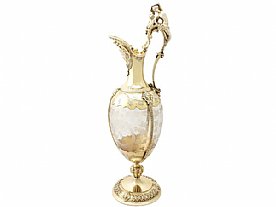 Claret Jugs
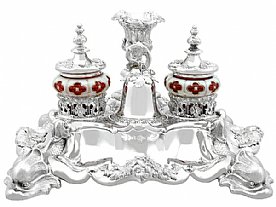 Continental & European Silver
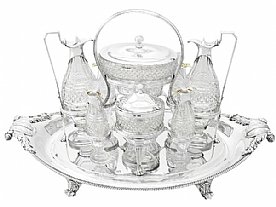 Cruets & Condiments
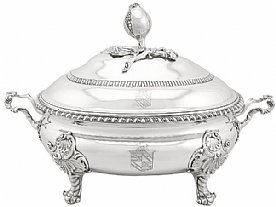 Georgian Silverware
 Inkstands & Inkwells
 Irish Silver
 Napkin Rings
 Newcastle Silver
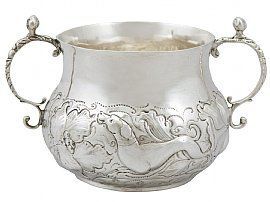 Porringers
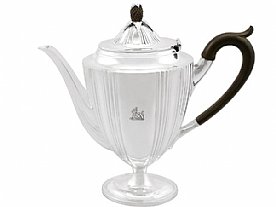 Queen Anne Silverware
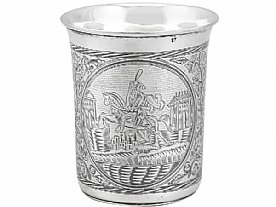 Russian Silver
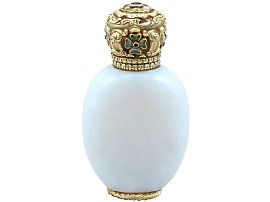 Scent Bottles
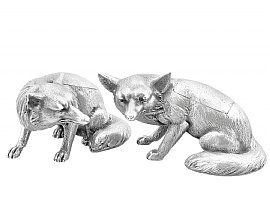 Silver Animals
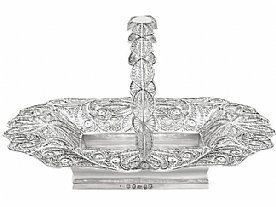 Silver Baskets
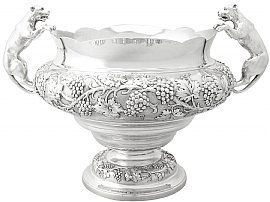 Silver Bowls
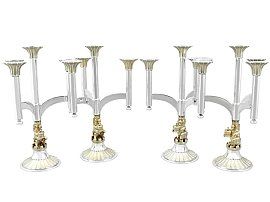 Silver Candelabra & Candlesticks
 Silver Chalices
 Silver Coasters
 Silver Cups and Trophies
 Silver Dishes
 Silver Flatware / Cutlery
 Silver Goblets
 Silver Hip Flasks
 Silver Jugs
 Silver Letter Openers
 Silver Mirrors
 Silver Paperweights
 Silver Photograph Frames
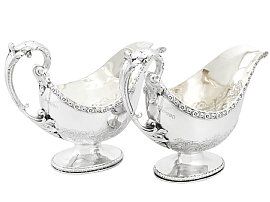 Silver Sauceboats
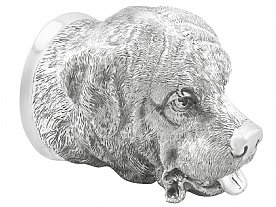 Silver Stirrup Cups
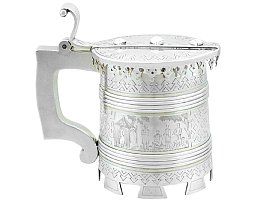 Silver Tankards & Mugs
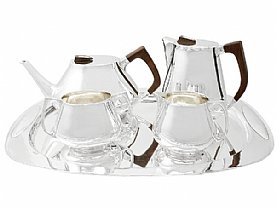 Silver Teaware
 Silver Toast Racks
 Silver Trays, Plates & Salvers
 Silver Tureens
 Silver Vases
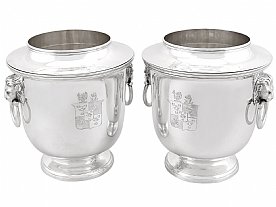 Silver Wine Coolers
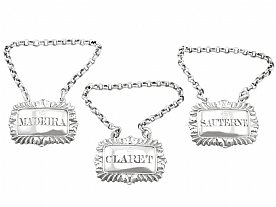 Silver Wine Decanter Labels
 Victorian Silverware
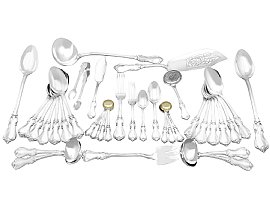

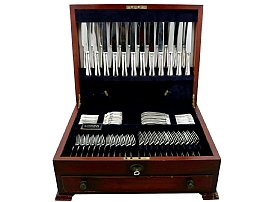
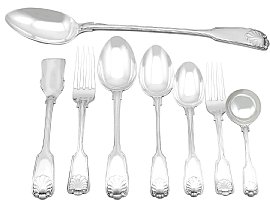
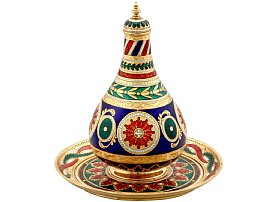
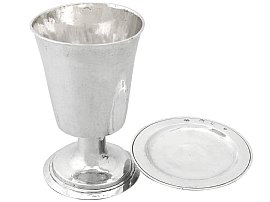
Antique DecantersAntique Match StrikersAntique Silver CentrepiecesAntique Silver ClocksArt Deco SilverwareArt Nouveau SilverwareArts & Crafts Style Antique Silverware Beakers & TumblersBoxes & CasesChinese / Asian Antique SilverClaret JugsContinental & European SilverCruets & CondimentsGeorgian SilverwareInkstands & InkwellsIrish SilverNapkin RingsNewcastle SilverPorringersQueen Anne SilverwareRussian SilverScent BottlesSilver AnimalsSilver BasketsSilver BowlsSilver Candelabra & CandlesticksSilver ChalicesSilver CoastersSilver Cups and TrophiesSilver DishesSilver Flatware / CutlerySilver GobletsSilver Hip FlasksSilver JugsSilver Letter OpenersSilver MirrorsSilver PaperweightsSilver Photograph FramesSilver SauceboatsSilver Stirrup CupsSilver Tankards & MugsSilver TeawareSilver Toast RacksSilver Trays, Plates & SalversSilver TureensSilver VasesSilver Wine CoolersSilver Wine Decanter LabelsVictorian SilverwareSterling Silver Canteen of Cutlery for Thirty Persons - Antique
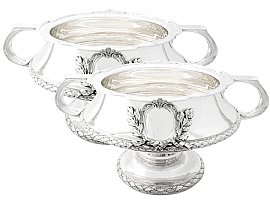
Price: GBP £89,950.00Large Sterling Silver Centrepieces Bowls - Antique
Price: GBP £79,950.00Sterling Silver Canteen of Cutlery for Twenty-Four Persons - Antique Victorian (1840-1855)
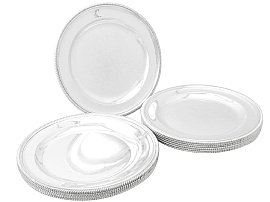
Price: GBP £39,950.00Twelve Sterling Silver Plates by Paul Storr - Antique George III (1799)
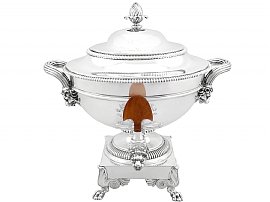
Price: GBP £32,945.00Sterling Silver Samovar by Paul Storr - Regency Style - Antique George III (1806)
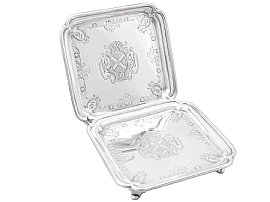
Price: GBP £31,950.00Britannia Standard Silver Salvers by Paul de Lamerie - Antique George II (1731)
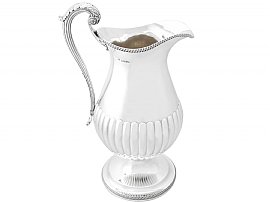
Price: GBP £29,950.00Sterling Silver Wine Ewer / Flagon by William Bateman I - Antique George IV
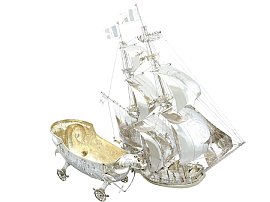
Price: GBP £29,950.00Sterling Silver Nef / Centrepiece - Antique George V (1923)
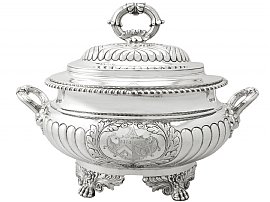
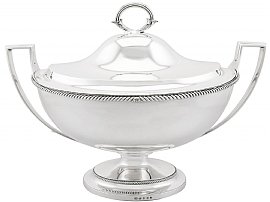
Price: GBP £29,950.00Sterling Silver Soup Tureen - Antique George IV
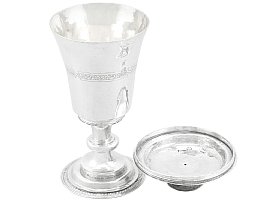
Price: GBP £26,950.00Sterling Silver Communion Chalice and Paten - Antique Elizabethan (1569)
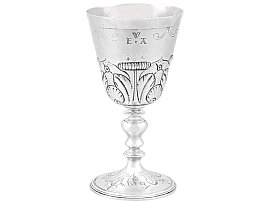
Price: GBP £26,895.00Sterling Silver Goblet - Antique Charles I (1630)
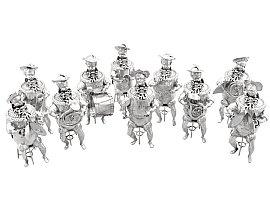
Price: GBP £25,950.00Antique German Sterling Silver Musician Table Figures/Goblets
Price: GBP £25,950.00Sterling Silver Soup Tureen by Paul Storr - Adams Style - Antique George III
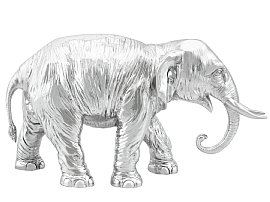
Price: GBP £24,950.00Large Antique Sterling Silver Elephant Sugar Box
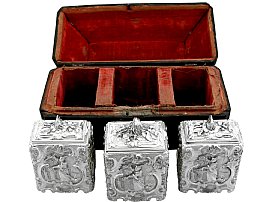
Price: GBP £24,950.00Georgian Set of Three Sterling Silver Tea Caddies
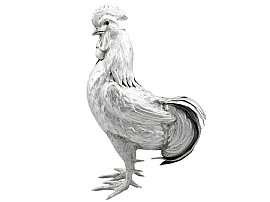
Price: GBP £24,950.00Sterling Silver Cockerel Sugar Box - Antique Victorian (1882)
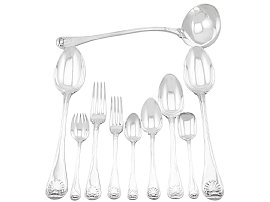
Price: GBP £24,950.00Sterling Silver Canteen of Cutlery by George Adams - Antique Victorian (1863)
Price: GBP £23,950.00Antique Sterling Silver Canteen of Cutlery
Price: GBP £22,450.00Vintage Sterling Silver Canteen of Cutlery for Twelve Persons - Boxed
Price: GBP £22,450.00Edwardian Sterling Silver Canteen of Cutlery for 12 Persons
Price: GBP £22,450.00Antique 18ct Gold and Hot Enamel Scent Bottle and Tray - French (1820)
Price: GBP £22,450.00Sterling Silver Communion Chalice and Paten Set - Antique Charles I
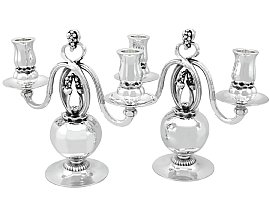
Price: GBP £21,945.00Danish Sterling Silver Two Light Pomegranate Pattern Candelabra by Georg Jensen - Arts and Crafts Style - Antique (1931)
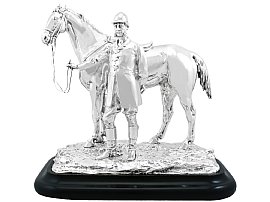
Price: GBP £19,950.00Sterling Silver Horse and Huntsman Table Centrepiece - Antique Victorian (1869)
Price: GBP £19,950.00Proud Members of