German Silverware
Antique and Vintage German Silverware for Sale
Explore our fine collection of antique and vintage German silver for sale. Our collection includes German silver from varying periods and including many silverware types including fine German silver flatware.
All silverware purchases at AC Silver include a complementary insurance valuation and free global shipping.
German silver has a rich and glittering history in the world of antiques and traditional silversmithing. Explore our collection below.

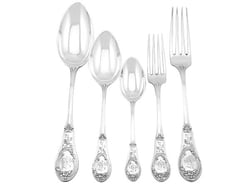
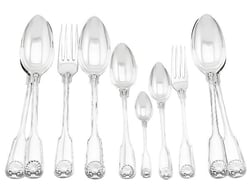
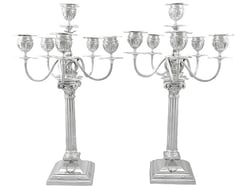
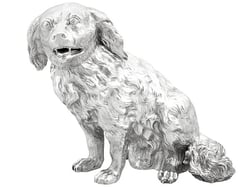
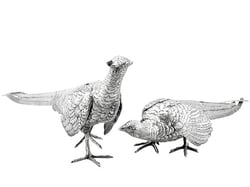
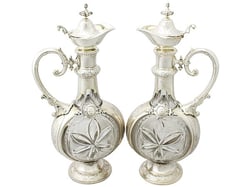
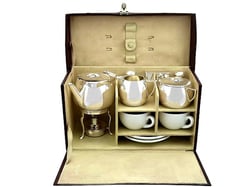
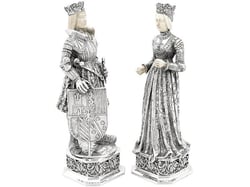

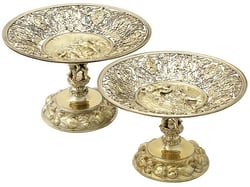
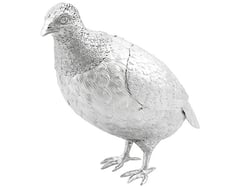
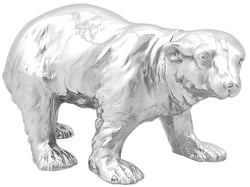
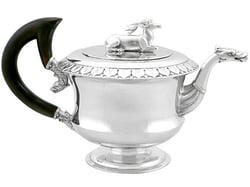
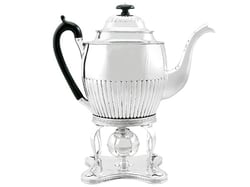
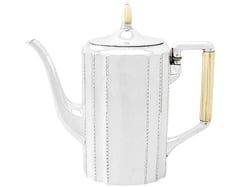
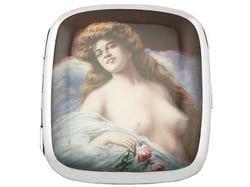
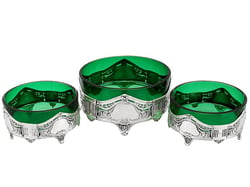
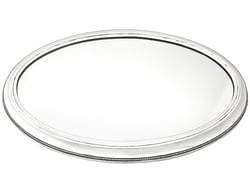

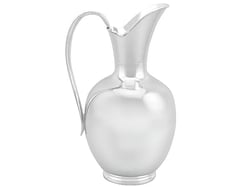
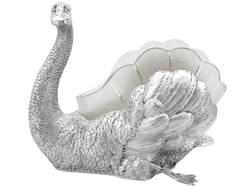
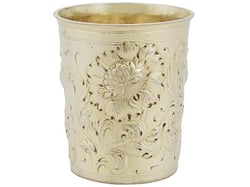
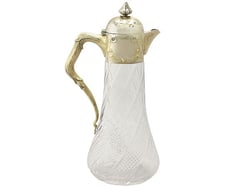

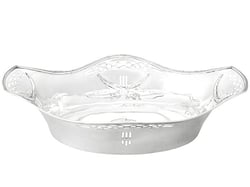
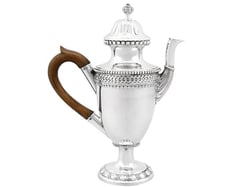
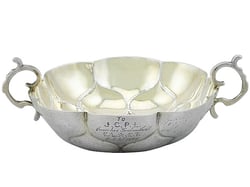
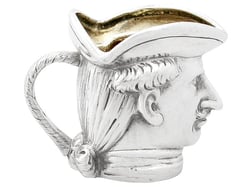
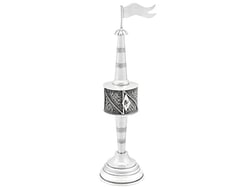
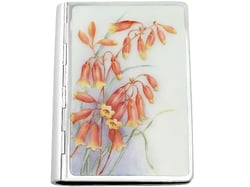
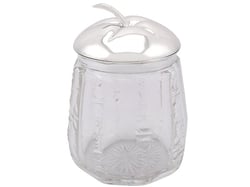

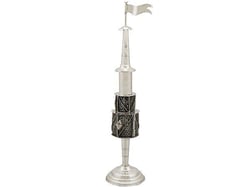
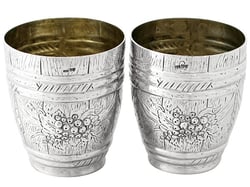
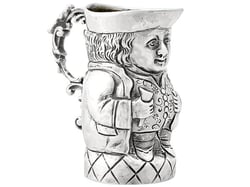
German Silverware Frequently Asked Questions
In antique silverware terminology, German silver refers to genuine silver items made in Germany. It falls under the wider umbrella of Continental silver, which simply means any European silver that does not follow the British sterling standard of 92.5% purity.
Prior to 1886, items of German silver were struck with a city mark, in addition to a silver purity mark using the Lot system; 12 lot = .750, 13 lot = .812, 14 lot = .875, 15 lot = .937 and 16 lot = pure silver. In 1884 there was a law placed enforcing that .800 was the minimum national standard for silver in Germany. With this change the use of individual city marks was abolished in 1886 and the national mark (reichsmark) of a crescent moon and crown (Halbmond und Krone) was initiated, representing the entire German state; this mark became compulsory by 1888. This national mark was used in addition to a maker’s mark and decimal silver standard mark.
While British sterling silver is always 92.5% pure (925/1000), German silver pieces historically used a range of silver purities. Common German standards included 800 silver and 835 silver, although higher purities, up to sterling, were also produced. These variations are typical across Continental silver, which includes German, Austrian, Italian, Spanish, and other European silver.
Absolutely. Although many German pieces are made in 800 or 835 silver, this does not indicate lesser craftsmanship. German silversmiths were known for exceptional artistry and technical skill. Many antique German silver items feature striking designs, intricate detailing, and superb workmanship, rivaling their English counterparts.
Each European country historically developed its own hallmarking systems. Unlike the English hallmarking tradition, which is rigid and standardised, German silver marks vary depending on region, century, and local assay practices. Recognising these marks is like deciphering a historical code, offering clues about age, origin, and purity. This adds to the charm and fascination of collecting Continental silver.
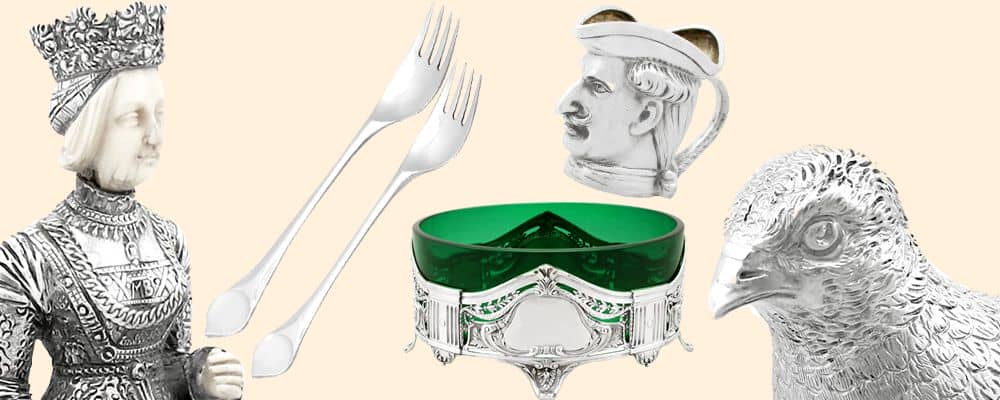
German silversmiths are celebrated for innovative and imaginative designs. Collectors often encounter:
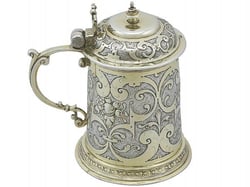
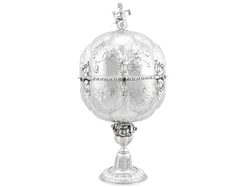
- Gilded cups and beakers
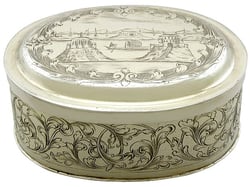
- Decorative boxes and trinket containers
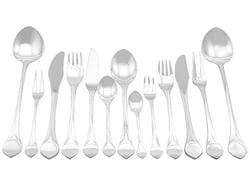
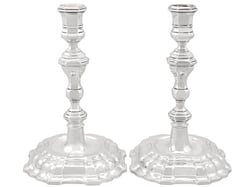
- Fine tableware and cutlery
- Ornamental centrepieces
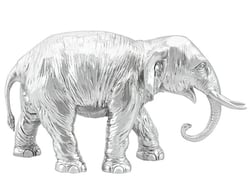
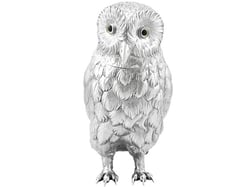
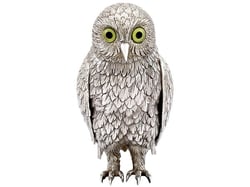
- Figural pieces and sculptural forms
These objects frequently exhibit craftsmanship and creativity that define the German silver tradition.
Not exactly. German silver is just one category within the broader term Continental silver, which includes any non-British European silver (excluding France, which traditionally follows its own distinct system). If an item is European but not English or French, chances are it falls into the Continental category.
Look for numerical marks such as 800, 835, 900, or 925, which indicate silver content. Many pieces also include regional maker’s marks or symbols specific to the time period. Understanding German silver marks is an essential skill for collectors and dealers, helping verify authenticity and value.
The famous Jungfrauenbecher is a two-part chalice shaped as a young woman holding a smaller cup. A romantic legend tells of a goldsmith who created the first cup to win his beloved’s hand. Traditionally, newlyweds drank from both parts simultaneously as a symbol of harmony in marriage.
Proud Members of