Search Results for: '{{searchText}}'
Sorry...
We don't seem to have what you're looking for.
However we do have thousands of magnificent pieces of silver and jewellery available for you to view online. Browse our store using one of these categories.
Please wait for loading data... 
Browse these categories under "Silver Coffee & Tea Sets / Services"
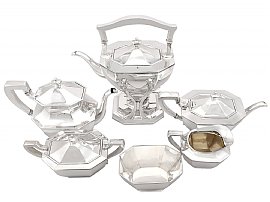

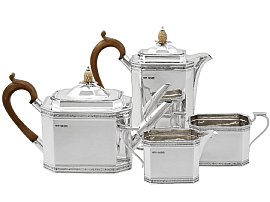
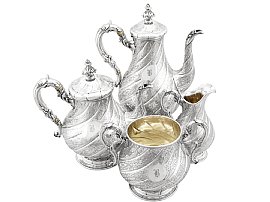
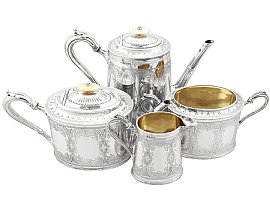
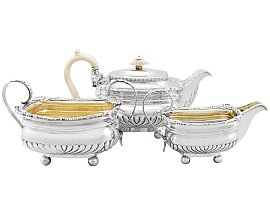
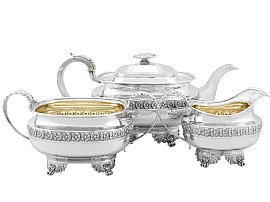
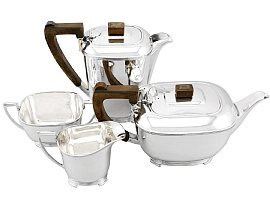
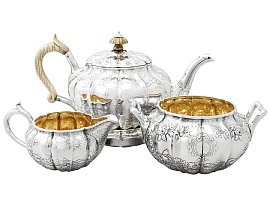
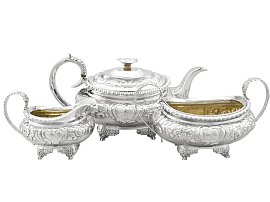
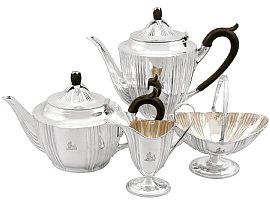
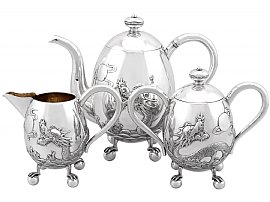
American Sterling Silver Six Piece Tea and Coffee Service - Queen Anne Style - Antique Circa 1900
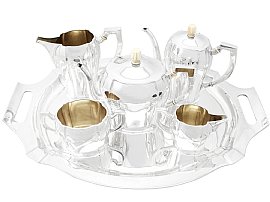
Price: GBP £14,450.00Vintage Chinese Sterling Silver Tea and Coffee Set with Tray
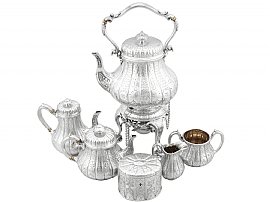
Price: GBP £12,650.00Austro-Hungarian Silver Five Piece Tea and Coffee Service with Tray - Antique Circa 1900
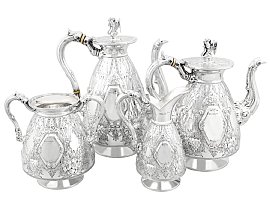
Price: GBP £12,650.00Sterling Silver Six Piece Bachelor Tea and Coffee Service - Antique Victorian (1864-1875)
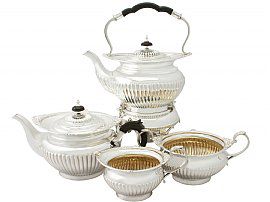
Price: GBP £11,450.00Sterling Silver Four Piece Tea and Coffee Service - Antique George V (1911)
Price: GBP £11,450.00Sterling Silver Four Piece Tea Service - Queen Anne Style - Antique Edwardian (1903)
Price: GBP £11,450.00Sterling Silver Four Piece Tea and Coffee Service - Antique George V (1928)
Price: GBP £9,450.00Sterling Silver Four Piece Tea and Coffee Service - Antique Victorian (1863)
Price: GBP £9,450.00Sterling Silver Four Piece Tea and Coffee Service by Atkin Brothers - Antique Victorian (1870)
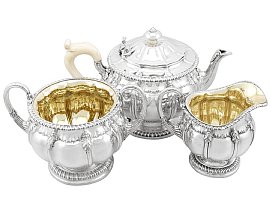
Price: GBP £9,450.00Sterling Silver Three Piece Tea Service by Paul Storr - Regency Style - Antique George III (1813)
Price: GBP £8,745.00Sterling Silver Three Piece Tea Service by Paul Storr - Antique George IV (1822)
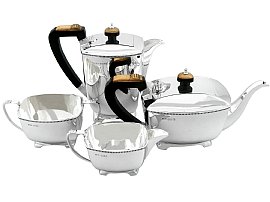
Price: GBP £8,745.00Sterling Silver Four Piece Tea and Coffee Service - Art Deco Style - Vintage (1967)
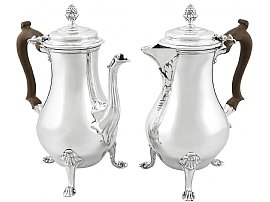
Price: GBP £7,950.00Sterling Silver Cafe au Lait Set - George II Style - Antique George V (1924)
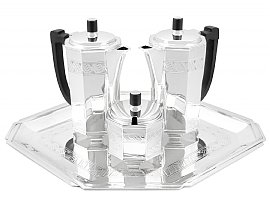
Price: GBP £7,950.00Sterling Silver Cafe au Lait Set with Tray - Art Deco - Vintage George VI (1950)
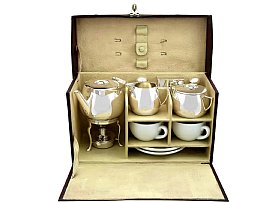
Price: GBP £7,950.00German Silver Ten Piece Picnic Tea Service - Antique Circa 1925
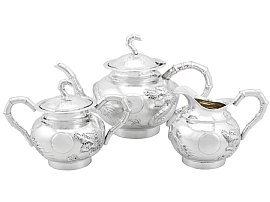
Price: GBP £6,950.00Antique Chinese Silver Tea Set Circa 1900
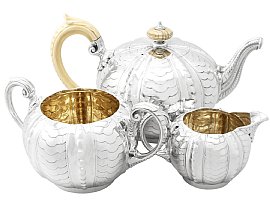
Price: GBP £6,650.00Sterling Silver Three Piece Tea Set - Antique Victorian
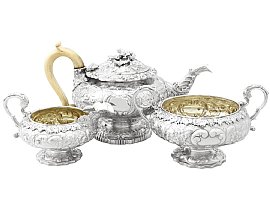
Price: GBP £6,450.00Sterling Silver Three Piece Tea Service - Antique George IV
Price: GBP £6,450.00Sterling Silver Three Piece Tea Service by Solomon Royes - Regency Style - Antique George IV
Price: GBP £6,450.00Sterling Silver Four Piece Tea and Coffee Service - Art Deco Style - Vintage George VI
Price: GBP £6,450.00Sterling Silver Three Piece Tea Service with Matching Teapot Stand - Antique George IV
Price: GBP £6,450.00Sterling Silver Three Piece Tea Service by Charles Thomas Fox - Antique George IV (1822)
Price: GBP £6,450.00Sterling Silver Four Piece Tea Service - Antique Edwardian
Price: GBP £6,450.00Chinese Export Silver Three Piece Tea Service - Antique Circa 1920
Price: GBP £6,450.00Proud Members of