Antique Silver Centrepieces
Browse our magnificent collection of luxury antique silver centrepieces for the dining table
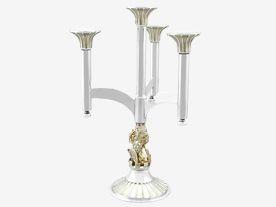
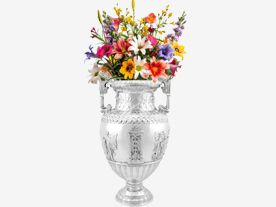
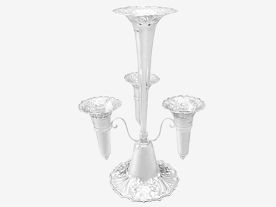
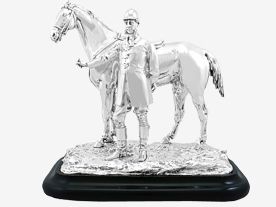
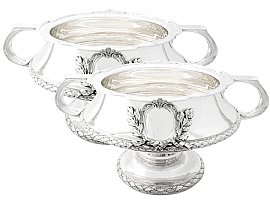
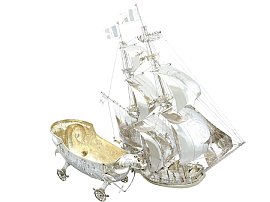
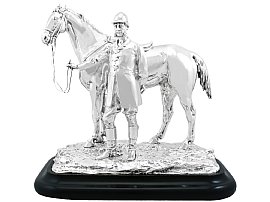
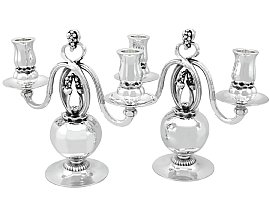
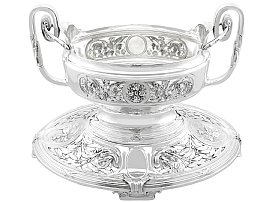
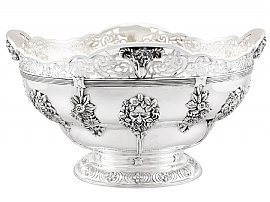
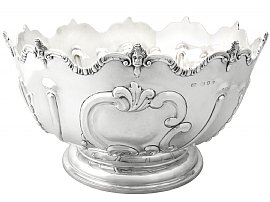
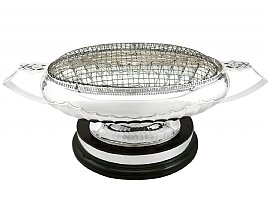
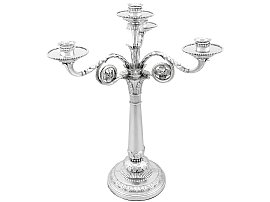
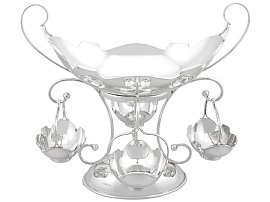
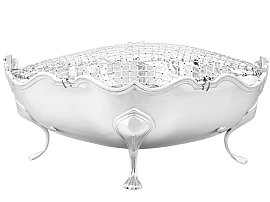
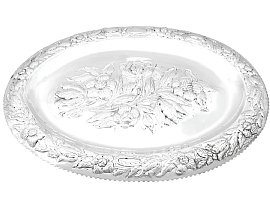


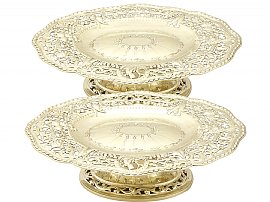
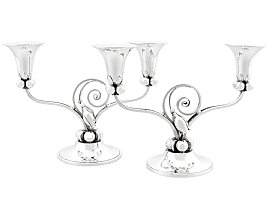
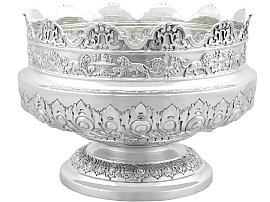
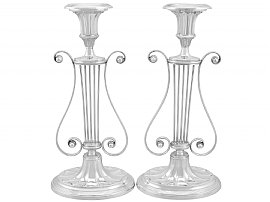
Load more
At AC Silver we are proud to be able to offer our customers a grand collection of all types of antique silver centrepieces; including epergnes, vases, statement silver bowls, table ornaments and presentation pieces.
We are pleased to have a vast selection which includes centrepieces created across the Victorian and Edwardian era, as well as antique and vintage pieces from the twentieth century
Andrew Campbell hand picks all vintage and antique silver centrepieces in the AC Silver inventory, only the finest examples of their type are added.
Frequently Asked Questions
A centrepiece/centerpiece is a general, broad term for many items that could be used as decorative focal points on a dining table, or to hold necessary items during a dinner service.
Centrepiece is a term which is contemporarily used to describe the arrangement in the centre of a table for guests at a wedding, largely owing to the fact that few people still use traditional centrepieces in the way that they were intended.
Centrepiece is also a term used for purely ornamental items which are placed at the centre of a table for display. Many of these are displayed on plinths, which gives the presentation pieces a greater sense of grandeur.
Centrepieces have been in use throughout the world since the advent of formal dining and the desire to display symbols of one's wealth and social status through dining décor.
As with so many of our contemporary traditions, the origins of the centrepiece can be traced back to the Ancient Greek and Roman civilisations.
These centrepieces were based on decorative flora and fauna, celebrating nature and the seasons. However, the focus was on the vessel containing the natural decoration, and an ideal of the precious elements displaying the natural. This temporal adornment is the way in which we too envision the perfect centrepiece.
During the Middle Ages, the traditional use of the centrepiece waned, with the focus shifting to the food which was being consumed, rather than the table decoration. The centrepiece was still employed at Christmas though, with evergreen foliage being used to decorate the centre of the table.
The earliest extant English centrepieces are the epergnes; these were first recorded in England around 1720, having initially been developed in France in the very late 17th century.
Initially, a variety of these objects would be used in these centrepieces. Tureens were usually placed at the centre, supported by a dish surrounded by smaller dishes and attached by branches. Some also had casters for sugar, salt, and mustard, oil and vinegar bottles, and even candle holders.
The epergne evolved towards the end of the 18th century into a principal basket supported on legs, which was then surrounded by smaller baskets. Over time, this style became taller and narrower in shape, frequently using tiered designs for the surrounding baskets.
In the Regency era, candle-holders were a popular replacement for the baskets often used in epergnes. Sculptural groups were used to decorate the bases in this era. This style became increasingly decorative, and by the middle of the 1800s, these epergnes were entirely sculptural in their form, with no baskets or other elements involved.
Towards the end of the 19th century, centrepieces that utilised a series of vases to form an epergne became very popular. The popularity of this style persists today, with flowers making an ideal centrepiece.
Any more questions? Contact Us
Proud Members of