Silver Casters
Browse our impressive collection of vintage and antique silver sugar casters for sale
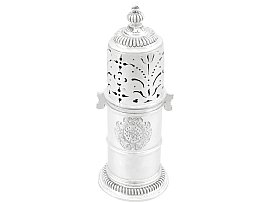
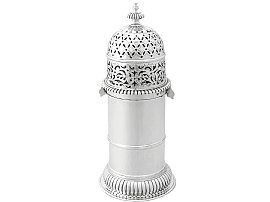
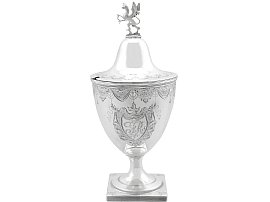
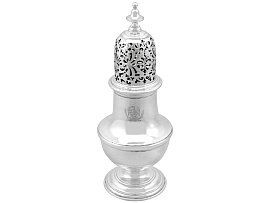


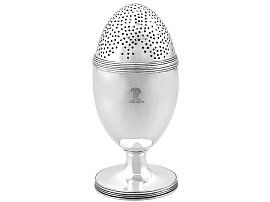
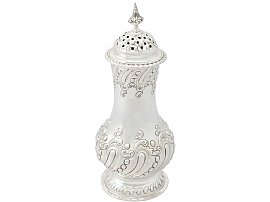
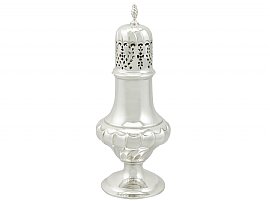
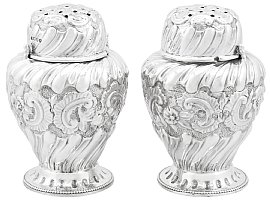
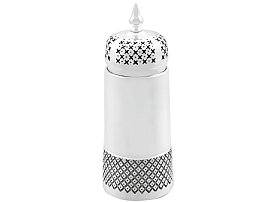
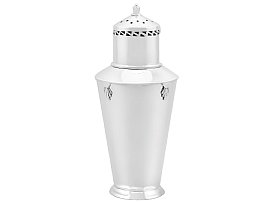

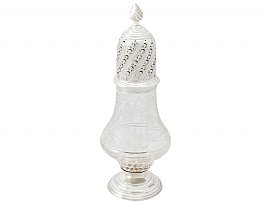

Here at AC Silver we have a fantastic collection of silver casters for sale, including; silver sugar casters, sets of casters for spices and sugar, Lighthouse style casters, Baluster style casters, and many more.
We are proud to be able to offer our customers a range of antique silver casters, including Britannia silver and sterling silver sugar casters from the Georgian, Victorian and Edwardian eras.
These sugar casters are of the finest quality and are in in presentation condition. Sugar casters are a wonderfully charming antiquity which can be used practically during formal dining, or can be used as delightful ornamentation.
AC Silver offer a 14-day return policy, and include a free shipping with all vintage and antique teaware.
Frequently Asked Questions
Sugar casters, which have been used from the 17th century, were the natural progression from sugar boxes. Sugar boxes were often highly ornamented and decorative, yet were not convenient for using at the dinner table while eating or drinking. The term 'caster' is a reference to the way which the sugar is cast across the food, and dispensed evenly.
The shape and form of the silver sugar caster is based on the need to sprinkle sugar when sweetening drinks or food. Therefore the pierced dome shape of the top of the sugar caster allows sugar to pass through delicately and gradually, while the solid bottom of the caster is the container for the sugar. Generally, the height of the sugar caster has grown over time.
Casters have been used since the 17th century, when sugar was a prized commodity and became common household items in the Victorian period. The caster/shaker would typically bear a domed cover with pierced decoration to allow the sugar to be dispensed in a controlled manner.
The sugar caster was used often ornamental as it was placed on the table, however the design changed with the era in which it was produced, with plain and highly decorated examples available. Early antique examples, due to the nature of the cast construction, allow for an ornate finial to the upper portion.
The styles of sugar casters developed from a simplistic 'lighthouse' shape, and gradually became more rotund as styles adapted to the purpose and fashions of the time. This lighthouse style was almost completely cylindrical, with the knop on the top of the caster mimicking the light at the top of the structure. This simple design proved incredibly popular, although it was modified to include more practical elements – such as the pierced decoration becoming finer so the sugar would be dispersed more finely.
Due to the age of the lighthouse style sugar caster, it is the most valuable and rare type of caster to find today. These pieces are highly sought after, particularly those which are still in presentation condition, as the examples are which we are able to offer our customers!
Although the Queen Anne caster is considered to have been created later than the lighthouse style caster, it did not naturally progress from the form of the lighthouse caster. There are also Queen Anne lighthouse casters. The Queen Anne style of caster was slightly taller than its predecessor, still with a cylindrical from.
The only element that relates the Queen Anne caster to the earlier lighthouse casters is the way in which the top of the caster is secured. One of the main differences between the styles of the seventeenth and eighteenth century sugar casters is that the piercing during the Queen Anne reign became finer and more delicate, and this is a decent gauge for dating sugar casters.
The one feature of the Queen Anne caster which is specific to this style is a band which runs horizontally around the top half of the caster, to strengthen the caster. This characteristic is not featured on the lighthouse style of caster or those which were created after the reign of Queen Anne. Another feature of the Queen Anne style is that the piercing remains quite large, but is slightly more decorative in form than on the earlier lighthouse style.
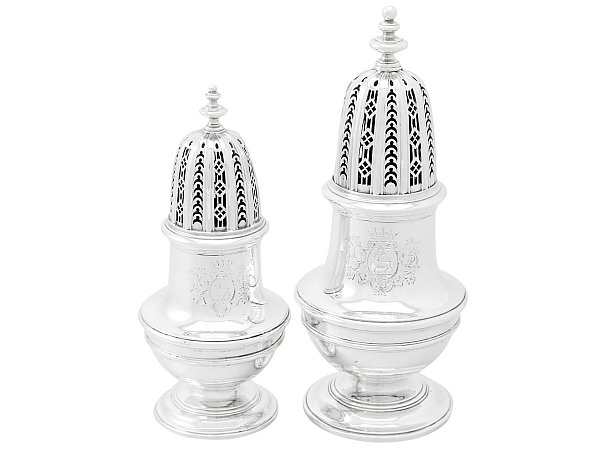
During the Georgian era, the neck of the sugar caster was becoming longer and their bodies became more bulbous. This gave the impression of a more elegant piece. This elongated shape became known as vase shaped, and this is the shape that sugar casters were predominantly created in during this time.
Throughout the second half of the eighteenth century there were pieces being created with finials in the form of acorns, flames and even pineapple, however towards the end of the century a simple ball shape had been introduced and this became the most commonly used shape, undoubtedly due to the ease of creating this compared to the more novelty finials.
The baluster caster followed the vase shape, this was due to the 'neck' of the caster graduating into the body in a more gradual slope than had been the case with the vase shaped caster, and the top and bottom portions of the caster began to look less like two separate pieces became one more coherent shape.
The baluster caster also featured a larger, more rotund lower portion, similar to a round belly when considering the lower portion of the caster the body.
Any more questions? Contact Us
Proud Members of