Vintage & Antique Silver Tea Caddies
Browse our impressive collection of vintage and antique silver tea caddies for sale; including fine Georgian and Victorian caddies
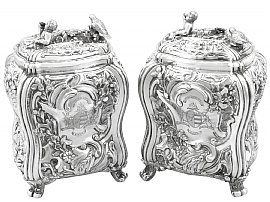
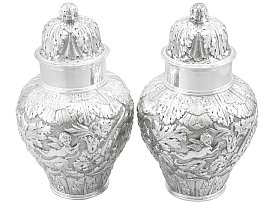
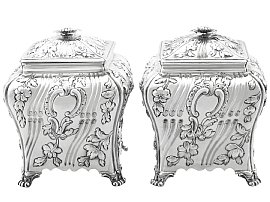
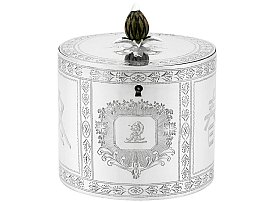
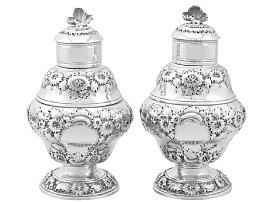
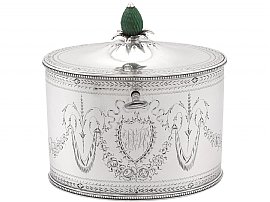
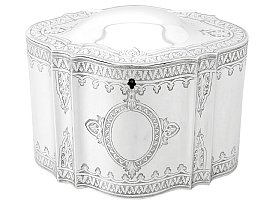
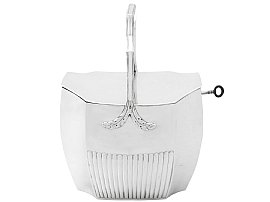
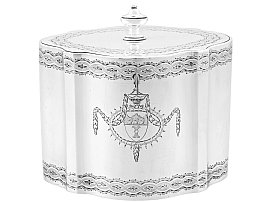
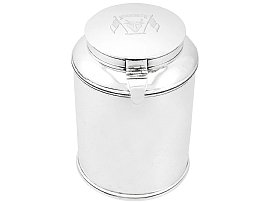
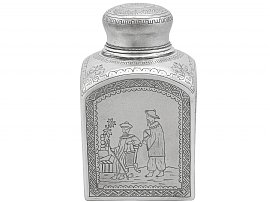
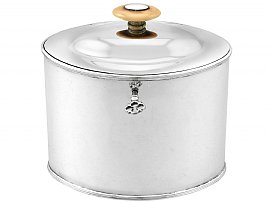
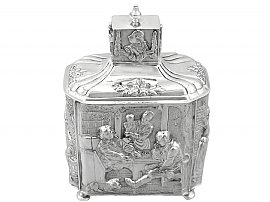
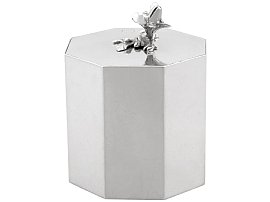
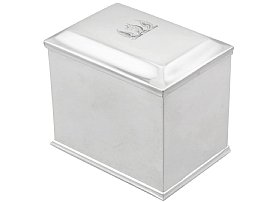
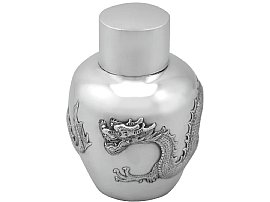
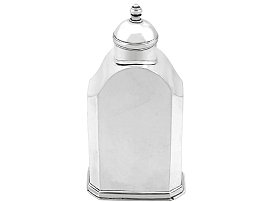
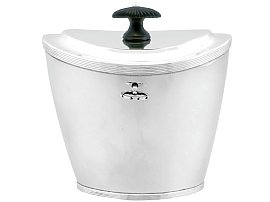
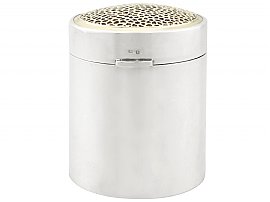
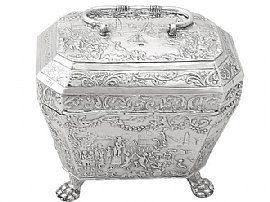
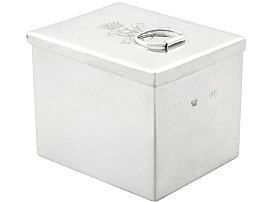

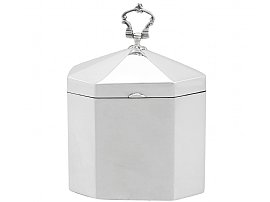
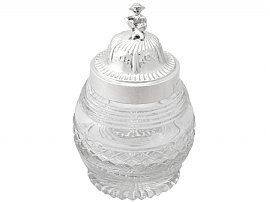
Load more
At AC Silver we are pleased to be able to offer our customers a pleasing collection of antique silver tea caddies.
Our selection is comprised of exceptional examples of vintage and antique silver, all of which are the finest of their type that we have come across.
Andrew Campbell hand picks all of our silver teaware, and does so on merit having been retailing antique silverware since 1977.
This collection of silver tea caddies features pieces from all over the world, with items being crafted during the Georgian, Victorian and Edwardian eras, as well as some twentieth century vintage items.
All of the silver tea caddies at AC Silver come with free and insured worldwide shipping and a 14 day return policy.
Frequently Asked Questions
The word caddy is derived from the Malay word ‘kati’, a measure of weight equal to 1.4lbs or 630g approximately. A tea caddy is the general term given to a container which holds loose leaf tea.
In the 17th century tea caddies were bottle shaped tea jars in China, glass, silver and enamel, fitted with covers to keep the contents dry. Such caddies came in a variety of forms and were also referred to as tea canisters or tea chests. Originally these receptacles had no provision for a spoon, but by the late 1690s, some of the covers were shaped like a small cup and this was used to measure the loose tea.
Few tea caddies survive from prior to 1700. Caddy spoons used to measure tea leaves were introduced by the mid-1700s.
As tea was an expensive commodity in the 18th and 19th century, many caddies were either fitted with integral locks, or were themselves fitted to a locking chest.
The majority of tea caddies were originally quite plain, with a small opening at the neck from which tea leaves were poured, and a wider opening at the base to allow ease of filling. The opening at the base was usually secured with a sliding cover. Often, tea caddies were paired, one to hold green tea, the other to hold black tea. Some pairs of canisters were fitted to locking wooden carrying case (or tea chest) which may also have held an associated sugar bowl.
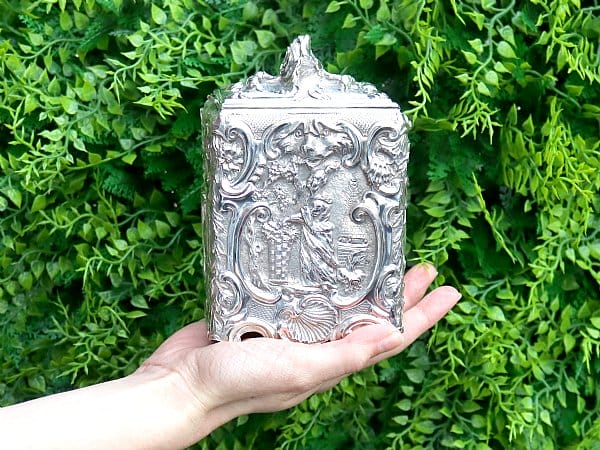
Although silver tea caddies tended to have a rectangular form, elliptical and octagonal examples from the late 1700s have been recorded.
Wooden tea caddies lined with lead were made in the mid-18th century. These caddies had hinged or sliding lids and were designed with integral caddy spoons.
In America, in the early 1900s, the first tea bags were made from hand sewn silk, these were superseded not long after, by commercially made gauze bags with larger perforations. It was not until the 1950s that tea bags became accepted for general use in Britain and tea caddies became less of a necessity.
Any more questions? Contact Us
Proud Members of