Antique and Vintage Brooches
Browse our stunning collection of impressive antique and vintage brooches for sale; many adorned with diamonds and gemstones
Browse these categories under "Antique and Vintage Brooches"
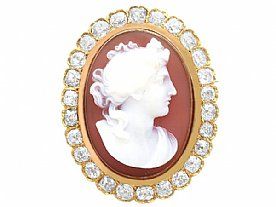
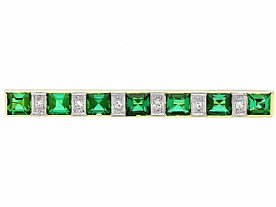
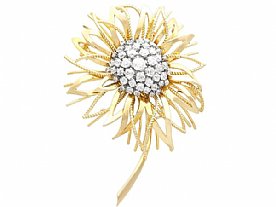
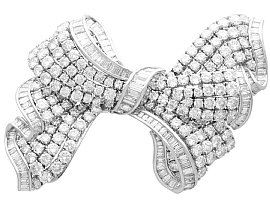
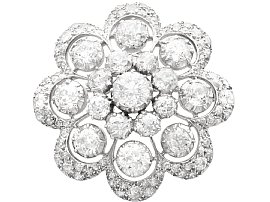
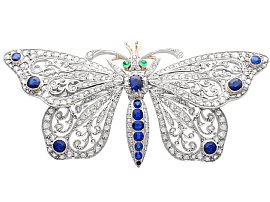
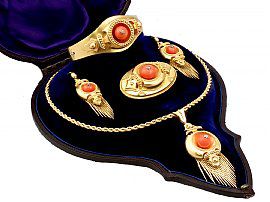
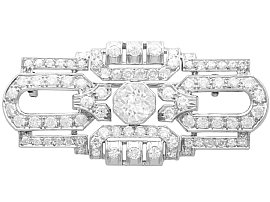
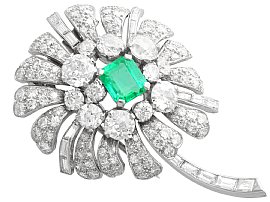
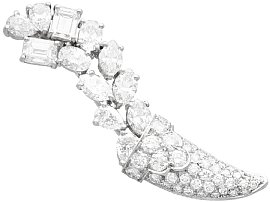

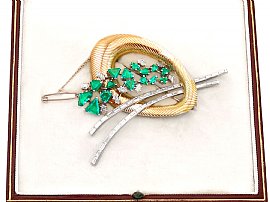
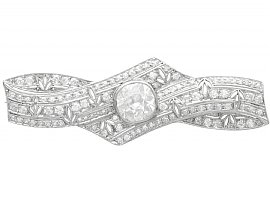
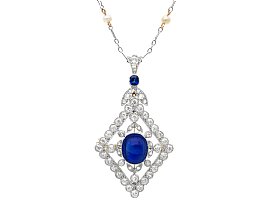
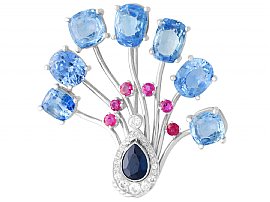
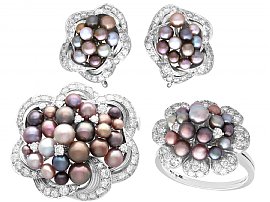
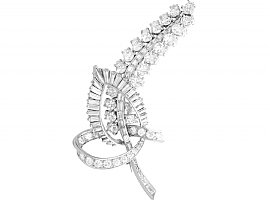
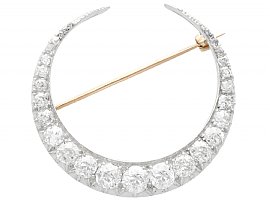
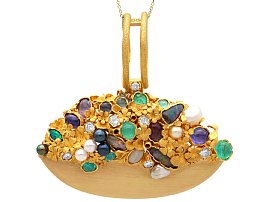
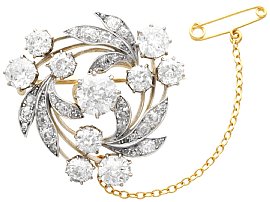


Load more
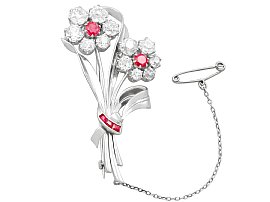
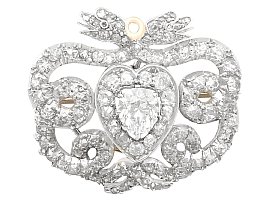
Antique and vintage brooches are making a comeback and the fine items available in our inventory are some of the most unique and magnificent brooches you will find.
Our impressive collection of brooches cover many eras including; Georgian, Victorian, Edwardian, Art Deco and more.
All of our antique brooches featuring gemstones and/or diamonds are accompanied with an independent gemstone and diamond grading report card and/or certificate in addition to free, insured, global shipping.
Andrew Campbell, using his 40 years experience within the antique industry, handpicks all vintage and antique jewellery for sale.
Frequently Asked Questions
Before the Middle Ages, brooches were called fibula, being worn at the shoulder to secure garments like capes and shawls. The advanced metalworking of the Iron Age saw decorative fibula being easy to craft. The three main shapes for brooches of this era are the bow brooch, trumpet brooch, and plate brooches; all being used as clothes fasteners. Brooches from this period are large and heavy, being strong enough to secure heavy fabrics like leather and other pelts into place.
The evolution of brooches followed closely with the improved materials and crafting methods; rather than being plain, ornate designs began to be incorporated. This is prominent in the Germanic brooches. Their intricate metalwork and combined coloured stones being applied to their brooch creations. As the Germanic culture covered Europe, this style impacted those around it, and brooches became significantly more ornamental.
Towards the Anglo-Saxon period, brooches and pins became more naturalistic in style. Emulating flora and fauna; these pieces were still used for practicality despite their ornamental aesthetics. In the Renaissance era, brooch design became more intricate – more closely resembling the elaborate antique brooches people are familiar with today. At this time, brooches became decorative pieces of fashion that were worn purely as accessories.
Brooches maintained a stable presence in European fashion, becoming culturally significant especially in the Victorian period. In the 19th century, brooches took on multiple meanings and purposes beyond the practicality securing garments in place.
There are a number of factors which indicate a piece of jewellery is antique. Part of the best way to determine an antique brooch is the design, metal type, glass use and gemstone cuts. However, it is important to remember whilst items may look to be of a Victorian design, many replicas have been made in later years as jewellers developed their own style or provide a classic look using modern day techniques.
See further information on jewellery styles.
The clasp of a brooch is a good indication, especially if the piece has a basic C clasp; this catch can be found on pieces from the 19th century, with developments in the 20th century to include further safety measures. If the piece looks antique however, and does not include a C clasp, there is a chance the pin/clasp has been replaced to secure the integrity of the piece.
Learn more about dating a brooch by its clasp.
The trombone clasp was incorporated into European jewellery in the late 1890s. They gained their popularity in the 1940s, however there are examples from the 1960s onwards which favour this simply push pull safety fastening.
The classic safety clasp we know today were most commonly found from the late 1920s onwards. This clasp replicated the shape of the C clasp and bears a rollover closure allowing the pin to be held securely.
A jabot pin has been seen to be worn since the 17th century, displayed in shirts, jackets, dresses and hats. This decorative pin bears an ornament to either end, securing with a push fit or screw fit attachment. This style of pin became popular in the turn of the 20th century, with Art Deco examples being used for cloche hats, lapels and even handbags.
A pin clip/fur clip – a double pin hinged fastening – were widely used during the 1930s and 1940s. These could often be part of a duette pin (double clip brooch) which were formed in the 1930s and popularised by the ability to split the piece into two and adorn two portions of the wearer's attire.
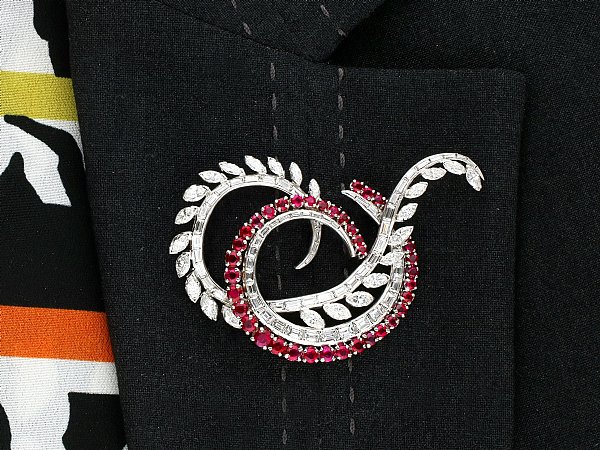
One of the most traditional ways of wearing brooches is to decorate the lapels of your blazer with them. This is the perfect look for work and other formal occasions where you should refrain from overdressing. There are however more ways to wear brooches in the modern day.
Read more on how to wear a brooch
Any more questions? Contact Us
Proud Members of