Antique & Vintage Opal Jewellery
Browse our impressive collection of antique and vintage opal jewellery for sale
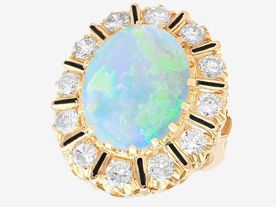
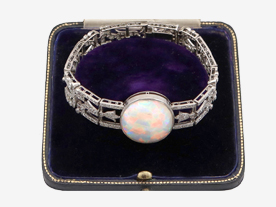
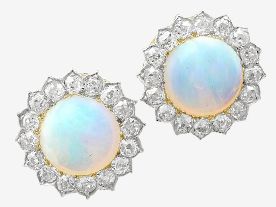
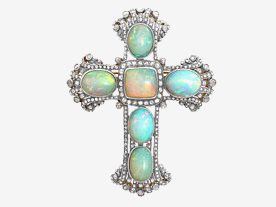
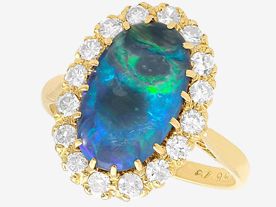
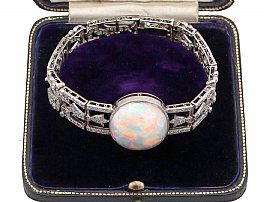

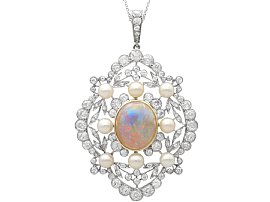
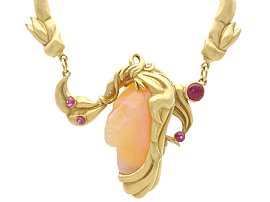


Load more
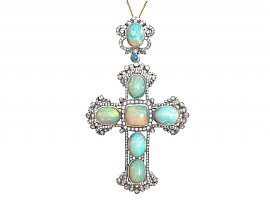
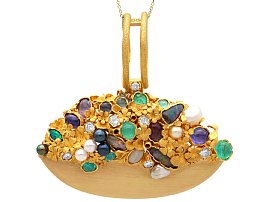
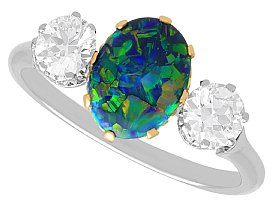
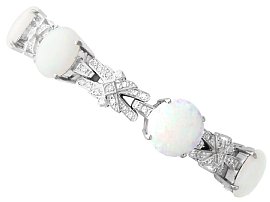
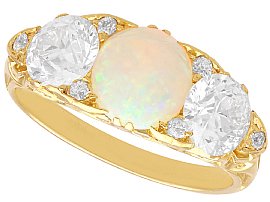
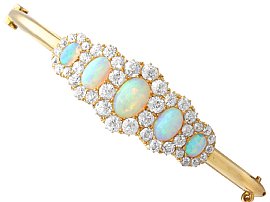
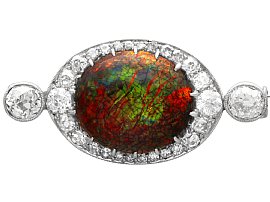
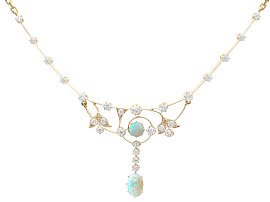
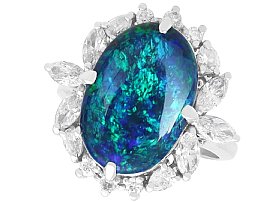
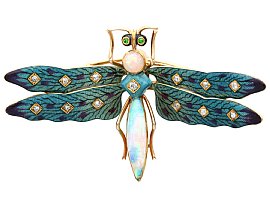
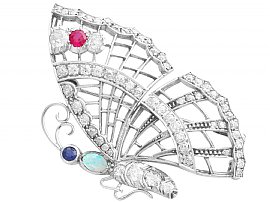
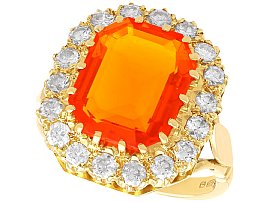
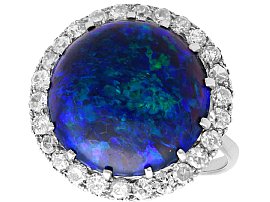
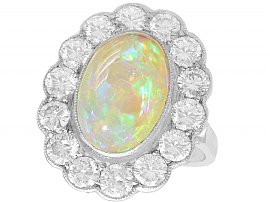
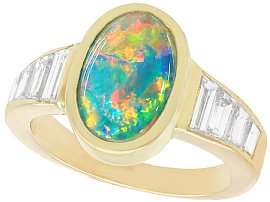
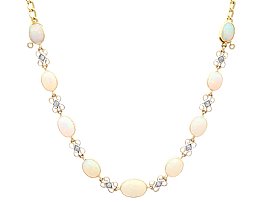
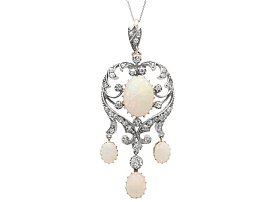
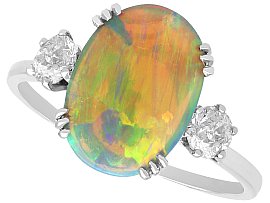
At AC Silver we are pleased to be able to offer our customers a large collection of antique and vintage opal jewellery for sale.
Our selection features a range of opals including the more unique harlequin and black opals. We also feature examples from the Victorian period and crafted in the Art Nouveau manner; available in platinum, palladium, yellow and white gold.
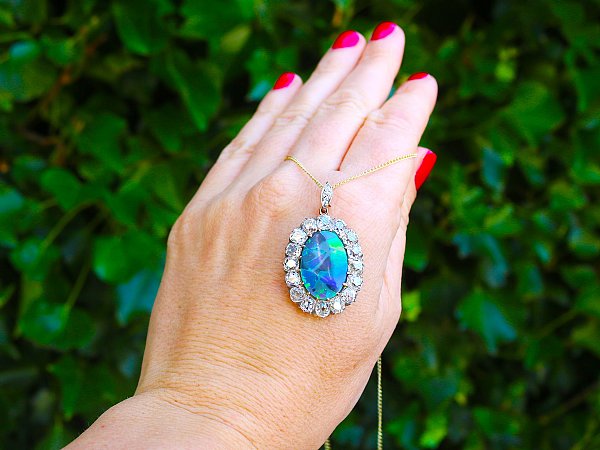
Opals are exalted among gemstones for their exceptionally unique and eye-catching colourations. There are several different varieties of opals, and each stone has its own individual plays of colour throughout. They have long been used in jewellery, revered for their beauty and supposed abilities. Today, opal jewellery is widely popular among collectors and amateurs alike.
AC Silver offer a 14-day return policy, and include a free ring sizing service.
Andrew Campbell, using his 40 years' experience within the antique industry, handpicks all vintage and antique opal jewellery for sale.
Frequently Asked Questions
Opals are created when an influx of rain falls in chronically dry grounds. The rain pushes through to rock deep beneath the surface, bringing dissolved silica with it. The rainfall in these areas is usually seasonal, such as in the Australian outback. When the rainy season has passed, the ground dries up once more. The silica deposits in the rock formations form into opals through this process.
The name 'opal' derives its origins from Sanskrit and Greek. The Sanskrit word 'upala' means jewel, while the Greek 'opállios' is used to describe a change in colour. Together, the words are appropriate for describing the unique qualities seen in opals. The scientific explanation for opalescence is a pseudo chromatic optical effect resulting in flashes of coloured light from certain minerals. In the jewellery world, it is usually referred to as a 'play-of-colour' or 'fire'.
There are five main types of opals commonly seen in the fine jewellery world. These are: white opals, black opals, fire opals, boulder opals, and crystal opals. The differentiations with these opals involve their overall colours and shading.
Opals, perhaps because of the visible 'movement' of colours within them, have always been associated with eyesight. Wearing opals or carrying them on one's person has long been believed to assist with improving eyesight, as well as staving off eye-related diseases.
Their distinctive appearance also led to the belief that having opals was an indicator of superstition or a penchant for magical practises. When opals were first worked by jewellers, many believed they were an unlucky stone because of their fragility relative to other precious gemstones. The vast majority of opals are cut into an oval or rounded shape, as this was the best way to avoid breaking the stone while crafting.
Conversely, those in the Middle Ages associated opals with good fortune, believing that its play-of-colour was representative of all other gemstones comprising those shades.
Whilst the opal in many cultures has positive qualities, in medieval Europe they not only gained the reputation of bringing the wearer bad luck, they also directed the attention that the owners were witches and sorcerers. With this in mind many bore connection with the opal to the Black Plague – however there is no historical factual evidence to any of these negative qualities. Long before medieval times, however, the Europeans saw the opal as a sign of hope, purity and truth, and it can be determined that some of the opals associated evil properties could have been to prevent theft.
In Ancient Rome, the opal was considered a very precious stone with a stunning appearance; with comparisons to volcanoes, galaxies and rich colours which could only be found in paintings and fires. The ancient Greeks saw the depth of the stone also and dedicated the reputation that the stone could not only predict the future but protect the wearer from illness.
In literature the opal has mixed reviews, however the infamous Shakespeare himself admired the opal and in Twelfth Night called it "that miracle and queen of gems".
In the Victorian period the opal was highly desirable due to influential Queen Victoria's appreciation and large personal collection. Whilst the colours of the stones may dictate the metal colour which is of design preference, the Victorian era saw many yellow gold options available, due to the crafting processes and resources available. There were new mines discovered in Australia towards the end of Queen Victoria's reign, and the design style incorporating opals moved into the more decadent Edwardian period. With this the Art Deco and Art Nouveau movements incorporated the opal willingly, as a pale stone with a flash of colour, and allowed for more white gold and platinum options to become available.
Opals are prized for their enchanting play of colour and luminous beauty—qualities that set them apart from other gemstones. To keep them looking their best, a little extra care goes a long way. Like many fine jewels, opals are best kept away from harsh chemicals such as perfumes, moisturisers, or abrasive cleaners, ensuring their natural radiance is preserved.
To maintain the vibrancy of an opal’s colouring, it’s ideal to store your jewellery out of prolonged direct sunlight and avoid extended exposure to water. These simple practices help preserve the stone’s captivating depth and shimmer for years to come.
Part of the allure of opal jewellery lies in its individuality and the care it inspires. Collectors and jewellery lovers alike treasure opals not only for their unmatched beauty but also for the unique charm they gain over time. Well-looked-after pieces—especially antique and vintage opals—are often sought after and celebrated for their lasting elegance.
Opals are the birthstone for those born in October, making opal jewellery a meaningful and thoughtful gift for October birthdays. They're also a beautiful option for wedding anniversaries—especially for those who appreciate something personal and unique over more traditional choices.
Opal jewellery makes a stunning gift for a variety of special moments. Birthdays, anniversaries, graduations, engagements, or simply to celebrate a fresh start—each occasion is made more memorable with the gift of an opal. Their luminous play of colour symbolises creativity, love, and individuality, making them a heartfelt choice for partners, friends, and family alike.
For those who feel a personal connection to opals, or are simply drawn to their radiant beauty, an opal ring or pendant can be a cherished token of affection or self-expression. They're ideal for marking life's meaningful milestones or as a thoughtful gesture "just because."
The true beauty of opals lies in their uniqueness—no two are ever quite the same. Whether gifted or chosen for oneself, opal jewellery carries a sense of wonder and timeless charm that's sure to be treasured for years to come.
Any more questions? Contact Us
Proud Members of