Antique & Vintage Scent / Perfume Bottles
Browse our collection of antique and vintage scent and perfume bottles; including fine Victorian examples
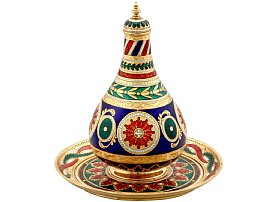
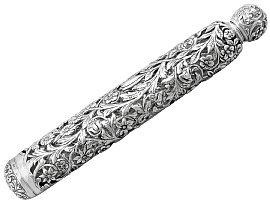

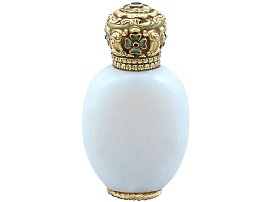
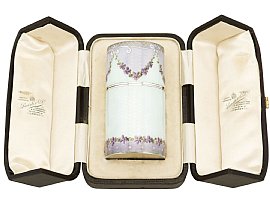


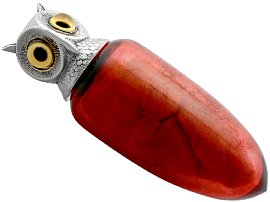
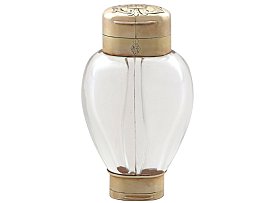
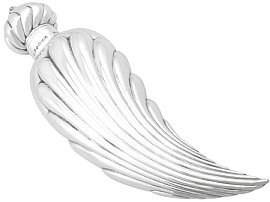
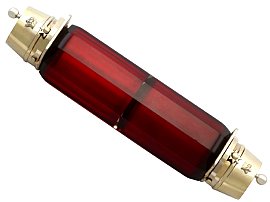
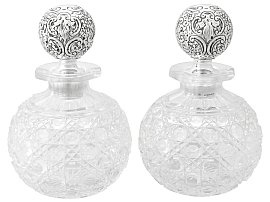
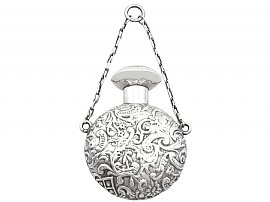
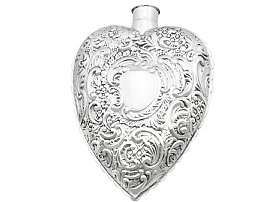
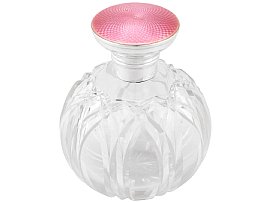
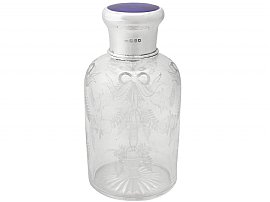
Here at AC silver we have a fine selection of perfume and scent bottles in a variety of styles.
Antique silver scent bottles are exceptional pieces of art that have existed for centuries, and were often considered a luxury item and became highly collectable items, especially those with their original boxes and as part of a set.
Antique perfume bottles make for wonderful gifts for those who appreciate all things vintage and antique.
Andrew Campbell, using his 40 years' experience within the antique industry, handpicks all vintage and antique scent bottles for sale.
AC Silver offer a 14-day return policy, and include a free shipping with all vintage and antique silverware.
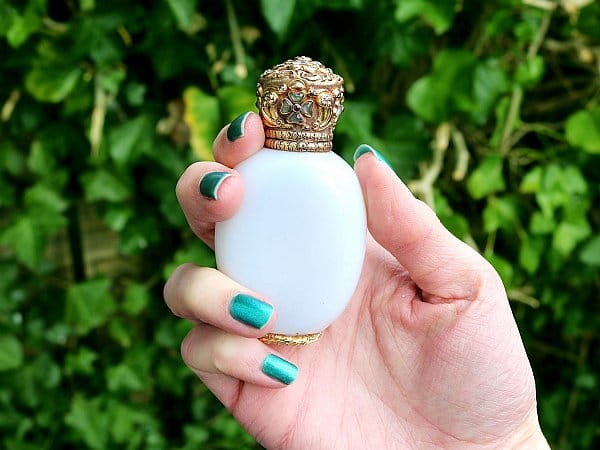
Frequently Asked Questions
Scent has long been considered an acceptable way for both men and women to mask themselves from foul odours. It was even believed for centuries that scents could protect against contagious diseases. Using scent was easier and quicker than regular bathing, which was considered somewhat detrimental to one's health.
Since ancient times, antique perfume bottles or scent bottles have been used to contain perfume. They have often been considered an art form. Scent containers and vessels have come in a variety of shapes, sizes, and materials, differing between various cultures. Ancient perfume bottles known as 'unguentarium' were originally designed in gold and silver, and then replicated in glass.
The ancient Greeks made and used hand painted vases, often modelled in the shape of animals. The Romans used hollowed-out precious stones to hold their perfumes. Early Europeans used a wide variety of vessels including gold, silver, porcelain, shells, glass and semi-precious stones.
The earliest example of a scent bottle is Egyptian, and dates to around 1000 BC. The early Egyptians used scent bottles that were crafted out of clay and wood. The Egyptians used scents quite lavishly, specifically in religious rites. Thus, when they invented glass, it was primarily used for scent vessels.
The fashion for perfumes spread to Greece, where vessels were often crafted out of terracotta or glass. They were also often modelled in the shape of animals.
The Romans used moulded glass and blown glass (after its invention in the 1st Century BC by Syrian glassmakers).
Silver scent bottles in their earlier forms were flask-shaped, with fine chains that allowed them to be suspended from a chatelaine.
Early scent bottles were made to be quite flimsy, cheap items. Their value increased when they began to be produced in cut glass patterns in the Georgian period, whereupon they were sold in fitted plush-lined cases.
In the 12th Century Philippe-Auguste of France passed a decree forming the first guild of parfumeurs. Then, by the 13th Century Venetian glassmaking had become well and truly established; traditionally based on the island of Murano- Glass blowing is still conducted there today.
From the 16th Century to the 18th Century, the scent bottle assumed different, detailed forms: they were crafted out of copper, glass, silver, enamel, porcelain, and sometimes a combination of those materials. 18th Century scent bottles became even more elaborate. They were often shaped like clowns, cats, birds, barrels, cases, etc. The 18th Century painted enamel scent bottles included fruits, erotica, flowers, pastoral scenes, and chinoiseries.
In a time where regular bathing was not only seen as unnecessary, but actually damaging to one's health, strong perfumes were seen as a protector against illness as well as a cover-all for foul smells. Generally, they contained scents such as lavender water, cinnamon, or mint. Typically, scent bottles in the 19th century were crafted out of cut glass and then topped off with silver lids. These early glass examples were often made in a flask-shape, and featured a fine chain for suspending them on a chatelaine.
A case that demonstrates all of these explanations for the collectability of scent bottles is that of the great French glassmaker, René Lalique. At that time, people bought perfume by taking their own empty, generic bottles to be filled with their fragrance of choice. Lalique saw a gap in the luxury market here, and teamed up with parfumier François Coty to launch the concept of selling high-class perfumes in their own stylish, specially-designed bottles. Although many women began to collect these items, some were enamored with the luxury of disposability and threw the bottles away when the perfume was gone. As such, those that remain are incredibly coveted, due to their exclusivity, brand influence, and innovative design.
The 1920s saw the expansion of the perfume market in America, and with it the expansion of scent bottle production. During the depression, scent bottles tended to be more conservative and less fancy. After World War II, however, scent bottles became more luxurious, especially once Christian Dior and Nina Ricci started crafting perfume.
In modern times, the scent bottle still comes in many different forms and materials and is still considered a luxury item that would serve as an excellent gift.
The origins of the scent bottle can be traced to around 1000 BC, when the ancient Egyptians utilised wooden and clay vessels to preserve their fragrances. In contrast, other cultures displayed a more elaborate approach; the ancient Greeks crafted hand-painted vases in the shapes of animals, while the Romans carved out precious stones to serve as containers. Additionally, they believed that perfumes possessed aphrodisiac properties.
The 18th century marked a significant transformation in the design of scent bottles, which became intricately adorned and were crafted in a range of whimsical shapes, including those of cats and clowns. Constructed from materials such as silver, gold, glass, enamel, and porcelain, often in combination, these bottles represented a notable advancement from the clay vessels used in ancient Egypt. The 19th century witnessed a rise in the popularity of the Art Nouveau decorative style. For scent bottles, this translated into a classic form embellished with floral motifs. As illustrated in the image below, the late 19th and early 20th centuries embraced innovation, resulting in scent bottles designed in the likeness of flowers, lighthouses, teapots, and various other unconventional forms.
The intricately designed embellishments and graceful contours of scent bottles evoke a bygone era of elegance and luxury, a period that many collectors may aspire to replicate in their own lives. A second, possibly less nostalgic perspective is that numerous scent bottles have become emblematic of renowned brands. Companies like Chanel have sustained their influence over the years, making vintage scent bottles from their collections as sought after as their contemporary releases, both serving as symbols of luxury.
The design of a scent bottle significantly contributes to its collectability. A unique or visually striking design tends to attract more interest compared to a simpler version, unless the latter has substantial brand recognition.
Exclusivity plays a crucial role in determining the collectability of scent bottles, similar to other antiques. During the early 19th century in Europe, amid the fervor of the Art Nouveau movement, a diverse array of unique scent bottles was created. To enhance the opulence of these distinctive pieces, artisans utilized materials like gold, silver, semi-precious stones, and even shells. It is no surprise that these rare items gained immense popularity among the social elite, with some women even adorning themselves with their scent bottles as jewellery during social outings.
Any more questions? Contact Us
Proud Members of