Victorian Lockets
Shop our fine collection of antique Victorian lockets for sale; including fine mourning lockets




Load more
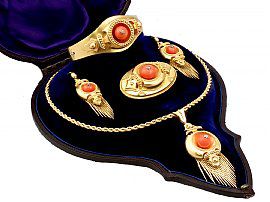
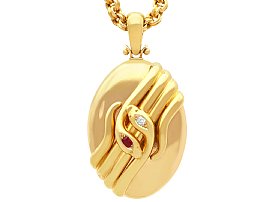
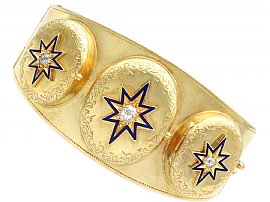
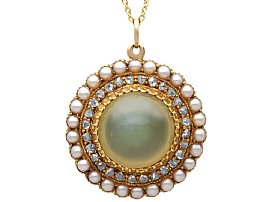
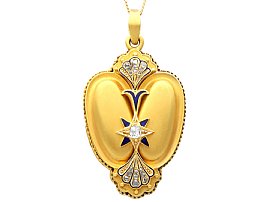
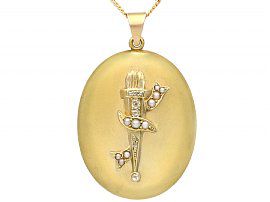
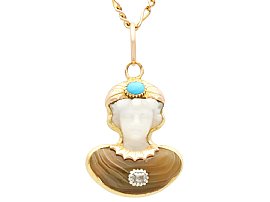
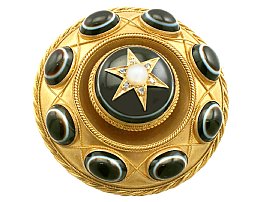
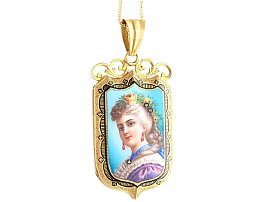
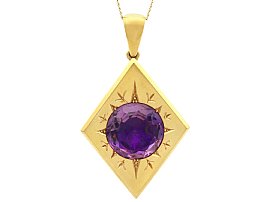
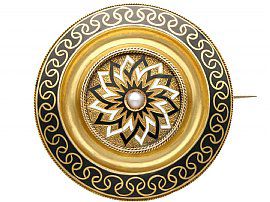
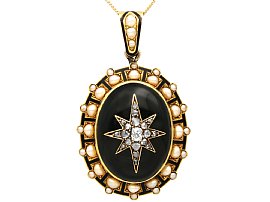
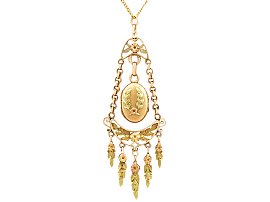
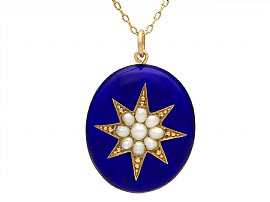
At AC Silver we are pleased to be able to offer our customers a large collection of antique Victorian lockets encrusted with diamonds and other precious gemstones and crafted in a range of precious metals including golds and platinum.
Our range of Victorian lockets includes Victorian mourning lockets, brooch lockets and some more unusual bracelet locket examples. All of our items are in excellent presentation condition and are of the highest quality of their type which we have discovered.
All purchases from AC Silver's extensive Victorian locket collection are provided with free national and international, express shipping.
Victorian Locket Frequently Asked Questions
Lockets have always been deeply sentimental jewellery pieces. Used to hold mementos like portraits, photographs, and even locks of hair, lockets are usually worn close to the heart. In their inception, lockets were worn by men and women alike. For men in the 16th century, it was popular to wear lockets with portraits of the king inside, prominently displaying their patriotic natures.
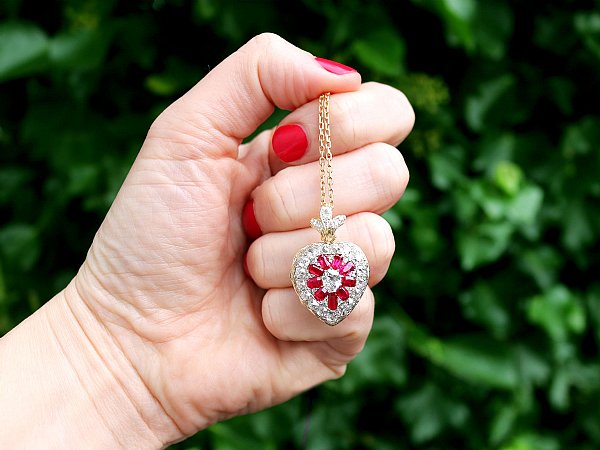
In the Victorian period, lockets were more advanced than they had previously been. Plain metal examples typically feature engraved decoration, and it was popular to have gem-set lockets. Oval shapes were popular for lockets, however Victorians also enjoyed heart-shaped lockets. Some pieces even feature elaborate designs where only a small section of the item is a locket compartment.
Although portrayals of loved ones are the most common use for lockets, there were also a range of uses for them. Sometimes, keeping a daub of perfume inside a locket allowed ladies to keep the fouler scents of the Victorian streets out of their noses. Even small love notes could be stored inside a locket, away from prying eyes.
Queen Victoria wore a locket with Prince Albert's portrait in it. Furthermore, she received a bracelet with eight locket charms later in her life, each featuring a portrait of her children. The queen's influence over popular culture emphasised the presence of lockets throughout Victorian society.
Victorian mourning jewellery was incredibly popular, and lockets were a part of this also. Mourning jewellery was very personal, and lockets even more so.
Using hair in a locket was fairly common in the Victorian period. It was usually used in mourning jewellery, however. It was very common for hair to be used as the main feature of the locket, in place of a portrait or photograph. One popular practise was to braid a section of the deceased's hair to use as a border for the locket. The hair could also be crafted into a thick braid that is prominently placed as the focal point of the locket.
A different technique that Victorians sometimes used involved applying a specialist gum to the hair, slicking it into intricate patterns within the locket. Finding lockets with this detailed decoration that are still in excellent condition today is no easy task. Hair was featured in a lot of Victorian mourning jewellery, from lockets, to brooches, to rings. Towards the end of the 19th century, the advent of photography also led to Victorian death portraits. The societal decorum that would deem it uncouth to photograph the dead today had not yet formed in the Victorian era. Instead, taking posed pictures of the dead that made them appear to be sleeping was exceedingly popular.
Some mourning lockets towards the end of the Victorian period featured death portraits rather than the traditional lock of hair or painted portrait. These are rarely found today, however, since photographing the dead rapidly became an uncivilised notion by the end of the Victorian era. Many of these pictures were removed from their original locket housing to either be collected by archives and museums, or simply disposed of for being in poor taste.
Any more questions? Contact Us
Proud Members of