Antique Gold and Silver Snuff Boxes
Browse our fine collection of antique silver and gold snuff boxes for sale

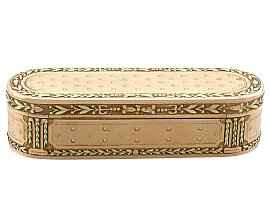
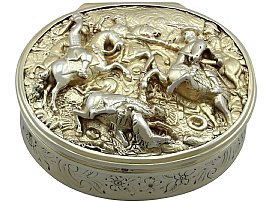

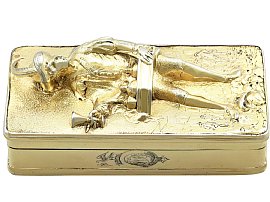
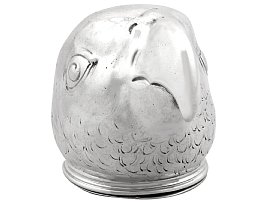
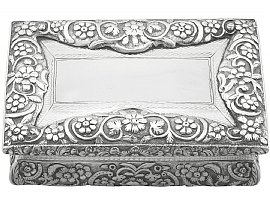
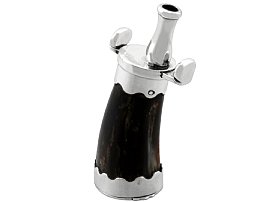

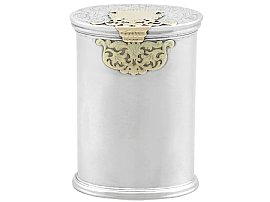
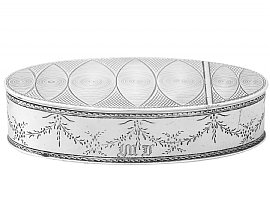
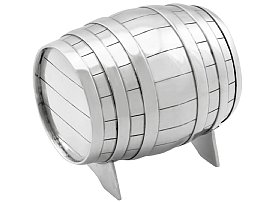
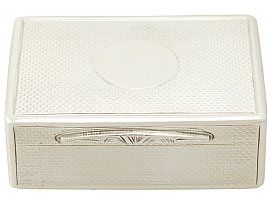
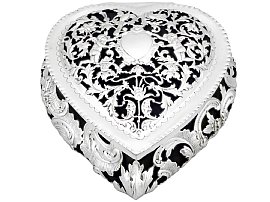
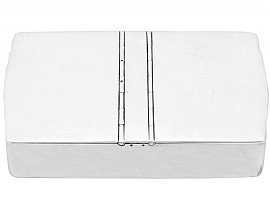

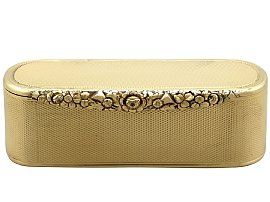
Taking snuff was a cherished ritual among the European elite, with snuff boxes becoming prized possessions and collector's items. Craftsmen, regarded as artists, created these exquisite boxes from fine metals and gemstones. Wealthy men often owned extensive collections and gave them as distinguished gifts.
At AC Silver, we are proud to offer a curated selection of antique silver and gold snuff boxes, including stunning examples from the Victorian and Edwardian eras.
Each piece in our collection is personally selected by Andrew Campbell, ensuring only the finest vintage and antique boxes are featured. Additionally all of our snuff boxed include 14 day returns and fully insured global shipping.
Frequently Asked Questions
Any powder that has been prepared for sniffing can be considered snuff, however snuff most commonly refers to powdered tobacco.
The consumption of snuff was first documented in the late 1400s, and was greeted by a very mixed reception. Snuffing (inhaling snuff) was first witnessed by a European in 1493, when Friar Ram³n Pane, who had arrived in the new world courtesy of Christopher Columbus, was living as a missionary among Haiti's indigenous Tano. Tobacco had been more or less unknown to Europeans prior to this, but the use of it rapidly increased in popularity during the 1500s. Inhaling snuff became established in England during the reign of Charles II (1630 -1685) at which stage it was acceptable for even ladies to take it.
During the mid-1600s snuff increased in popularity because it was believed that it was an effective preventative measure in warding off the plague. By the 1700s, snuff was the approved tobacco product favoured by the nobility.
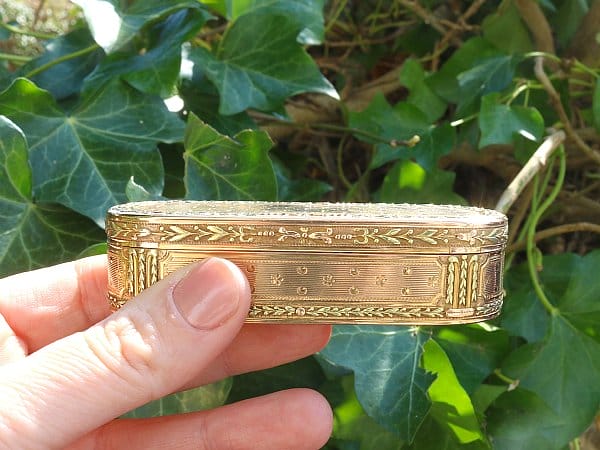
A snuff box is designed to store powdered tobacco, or "snuff", which is primarily made from tobacco. The snuff box became a fashionable accessory between the 17th and 19th centuries. Today, they are prized by collectors for their artistry, fine materials, and historical significance — often crafted from gold, silver, enamel, or precious stones.
Jean George (France, 18th Century)
Jean George was a celebrated French goldsmith known for Rococo-style snuff boxes featuring enamelled pastoral scenes, classical motifs, and floral decorations. His work is rare, highly collectable, and admired for its delicate enamel artistry and goldsmithing finesse.
Carl Fabergé (Russia, Late 19th – Early 20th Century)
Best known for the Fabergé eggs, Carl Fabergé also created opulent snuff boxes using gold, enamel, and precious gems. These were often gifted to Russian aristocracy and royalty. Fabergé's pieces combine luxury and Imperial Russian style, making them highly sought after.
Nathaniel Mills (England, 19th Century)
A renowned Birmingham silversmith, Mills specialised in finely engraved silver snuff boxes during the Victorian era. His boxes often depict English landscapes or Gothic Revival patterns and are appreciated for their historical charm and elegant simplicity.
Louis-François Cartier (France, Early 20th Century)
The founder of Cartier created luxurious snuff boxes in the Art Deco style, using precious materials like gold, jade, onyx, and gemstones. These boxes blend modern design with opulence and are highly collectable due to their association with the prestigious Cartier name.
Several factors affect a snuff box's value:
Maker: Renowned names like Fabergé, Cartier, and Jean George increase desirability
Materials: Use of gold, silver, enamel, and gemstones
Craftsmanship: Finely detailed engraving, enamel painting, or precious metalwork
Condition: Original, well-preserved boxes command higher prices
Provenance: Pieces with royal, aristocratic, or historical links add value
Any more questions? Contact Us
Proud Members of