Silver Coffee & Tea Sets / Services
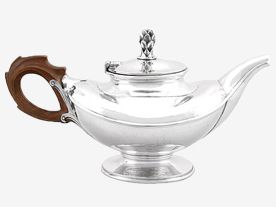
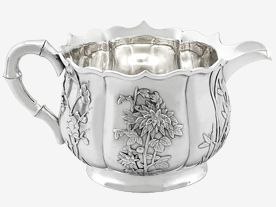
Browse our impressive range of antique silver tea and coffee sets, including; Georgian, Victorian and Edwardian sets

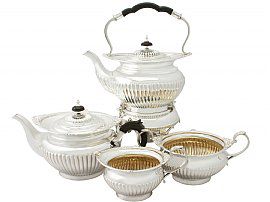
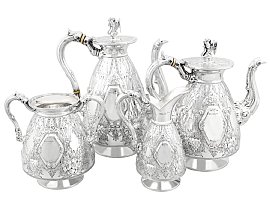
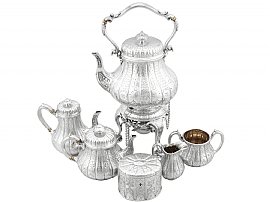
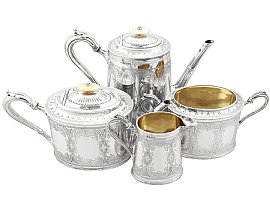
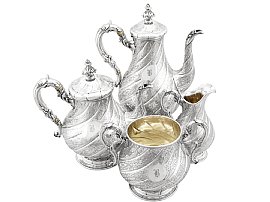
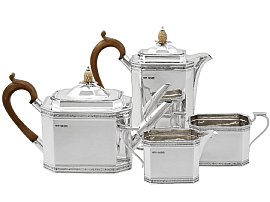
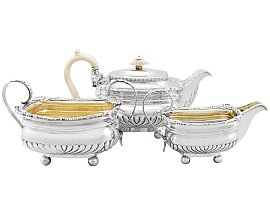
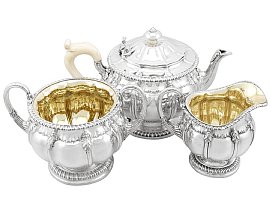
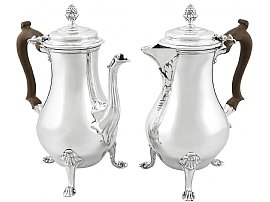
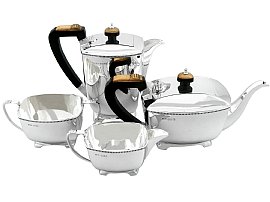
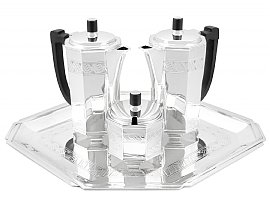
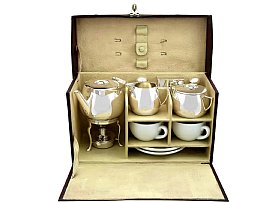
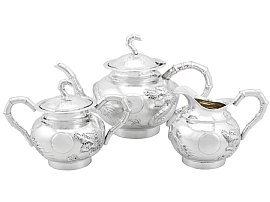
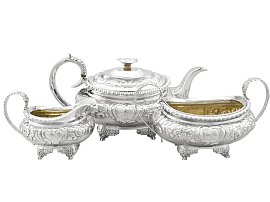
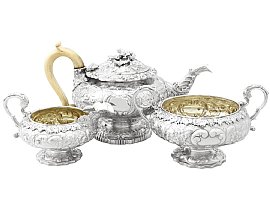
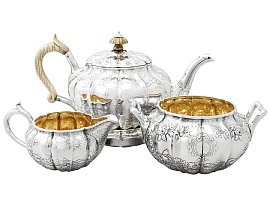
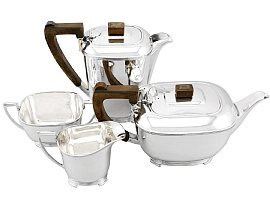
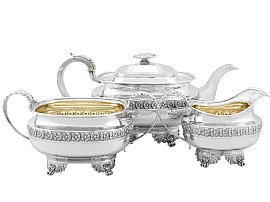
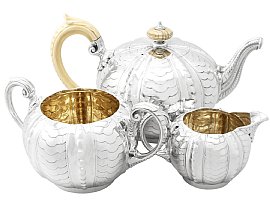
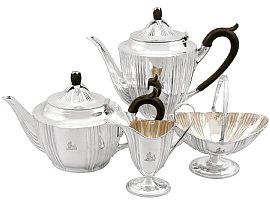
Load more
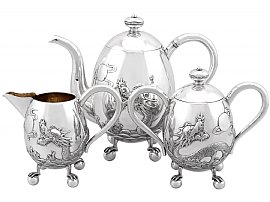
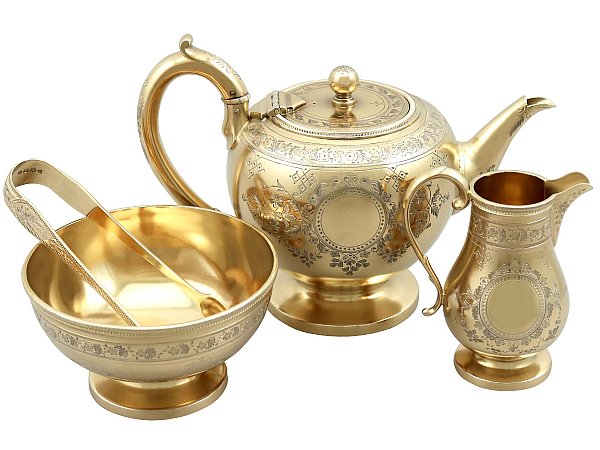
AC Silver have an stunning range of vintage and antique silver tea and coffee sets available for sale, with examples from the Georgian, Victorian and Edwardian eras.
Our selection is comprised of exceptional examples of vintage and antique silver, all of which are the finest of their type that we have come across.
Andrew Campbell, using his 40 years' experience within the antique industry, handpicks all vintage and antique teaware for sale.
AC Silver offer a 14-day return policy, and include a free shipping with all vintage and antique silverware.
Frequently Asked Questions
The earliest recorded use of tea dates back to the Ancient Han Dynasty 206 – 220 BC, when the beverage was brewed by the infusion of hot water in tea leaves, sometimes mixed with crushed spices such as ginger and orange. During this time, tea was consumed from multi-functional bowls.
Since then, tea in this form has remained fairly constant, but traditions and brewing methods have evolved in-keeping with different eras and cultures, resulting in a wide variety of beverages, and consequently a wide range of tea sets. Many examples of tea sets date back to the Ming Dynasty 1368 – 1644 AD, and it wasn't until much later that smaller, European sets began to be developed.
It was during the 1600s that tea started to become more popular throughout Europe, and the Dutch created a variation called 'Melkthee', adding milk. After tea gained this wide spread popularity, the East India Company began to import tea sets made from oriental porcelain from China. Complete sets would be ordered from factories in China or Japan, and then be decorated with family crests upon their arrival in England, a process that could take up to two years. During this period, the French Marquise de Sévigné advocated the use of a creamer, and by the early 1700s, sugar baskets (later to become sugar bowls) were introduced. Tea sets incorporating a teapot, sugar bowl and cream jug (creamer) were not in common use in the Western world until the late 1700s, when the reduction in the price of tea made it more available to the masses.
By the end of the 1700s, larger tea sets were becoming more commonplace, sometimes containing up to 43 pieces (12 teacups, 12 saucers, 6, sometimes 12, coffee cups, a teapot with a cover and a stand, a tea canister with a cover, a milk pot with a cover and spoon tray). For those who couldn't afford such an extravagant set, however, sets would have to be shared between communities. Many families would coordinate with other households to make a complete set and then enjoy a communal tea.
It was during the reign of Queen Victoria 1837 – 1901 that the tea kettle and coffee pot were added to the larger tea services, to coincide with the fashion for taking mid-afternoon tea. The extension of the tea service accommodated this more extravagant experience. A more excessive ritual than midday tea, afternoon tea involved small cakes and was a more of a pleasure-based experience. This attitude meant that the service became grander, to reflect the grandeur of the occasion. There were traditional roles within the serving of afternoon tea. For example, the hostess would sit near the table or stand beside it while pouring the tea, and the role of passing out the teacups would traditionally go to the gentleman of the house, or the daughter if he was not present.
Antique silver tea services retain their value well, and are always in demand. They are still used in many homes as part of an elegant dining experience, particularly when entertaining guests. This means that collectors, enthusiasts, and those simply looking for a wonderful gift are always on the lookout for their perfect set. Whether it may be an ornate set like this five-piece antique French service, or a more simplistic design such as this vintage, art deco set, there is a tea set for each individual's style. In terms of re-selling, silver teaware is exceptionally resilient to trends, as they are classic pieces that can be enjoyed every day by those who wish to indulge in luxury while taking tea, or for those who simply appreciate the teapot as an ornament and a testament to craftsmanship.
The main function of a tea service is to brew and serve tea, with the classic service featuring three pieces: a teapot, sugar bowl and cream jug. However, this service may be expanded to include a slop bowl for discarding tea leaves, in addition to a spirit kettle, hot water pot, tea strainer and tea caddy.
A coffee service on the other hand is used to serve coffee, and this will include a coffee pot, sugar bowl and cream jug, and may often include a hot water pot or hot milk pot; this is reflected in services referenced as café au lait sets.
To begin with, it is essential to refrain from excessive cleaning of your silver tea service.
Consistent, gentle dusting is far more effective than sporadic, vigorous polishing. Over-cleaning can gradually diminish the intricate details and engravings on your pieces.
Utilise a clean, soft cotton cloth or a feather duster to eliminate surface dust. For items that are only slightly tarnished, a simple breath followed by a gentle rub with a clean cloth can effectively remove minor blemishes or fingerprints—this method is particularly suitable for teapots, cream jugs, and sugar bowls.
For more thorough cleaning of the exterior of the items, AC Silver recommends using wadding products such as Silvo Silver Polish Wadding by Duraglit. Follow up with a clean cotton cloth for a final polish to bring out that classic shine in your teaware.
When cleaning the interior of silver teapots, cream jugs, or sugar bowls, avoid using any cleaning chemicals. Simply ensure the interior is completely dry and gently rub with a clean, dry cloth. This approach helps maintain the integrity of the silver while avoiding any contamination or residue from cleaning agents.
As part of AC Silver's commitment to exceptional customer care, specialised polishing cloths and custom-fitted silver storage bags are provided with every silver tea service purchase.
The fine-grade polishing cloths are specially impregnated for use on silver and gold, perfect for keeping your tea service in top condition. Our quality storage bags are carefully selected to suit the size and shape of each individual piece in your set, helping to protect them from dust and significantly reduce tarnishing when not in use.
Any more questions? Contact Us
Proud Members of