Vintage and Antique Silver Vinaigrettes
Explore our exquisite selection of antique silver vinaigrette boxes available for purchase at AC Silver
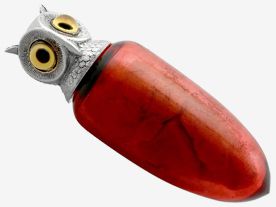
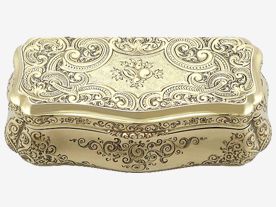
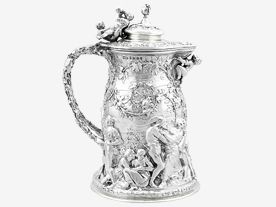
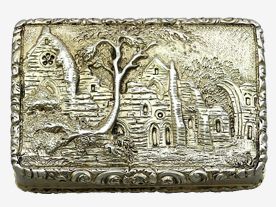
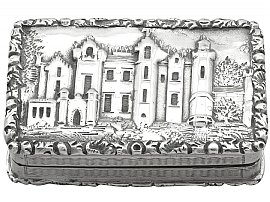
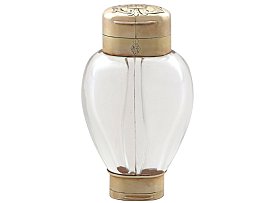
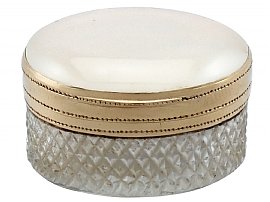

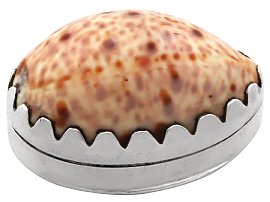
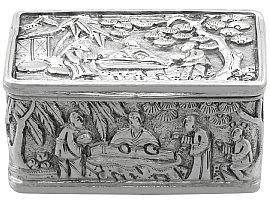
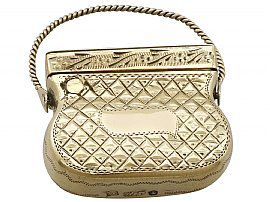
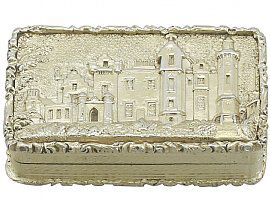
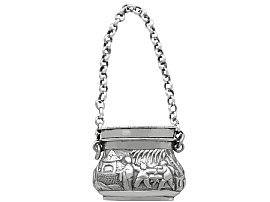
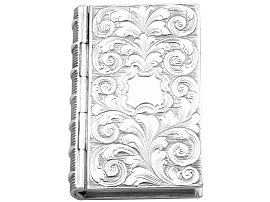
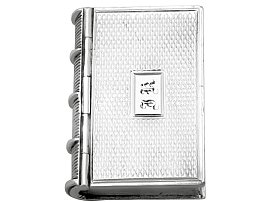
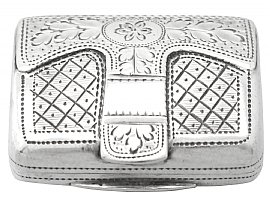
Load more
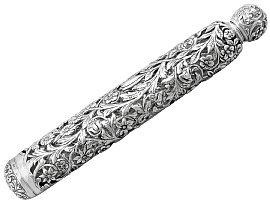
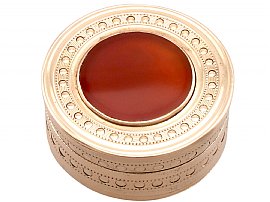
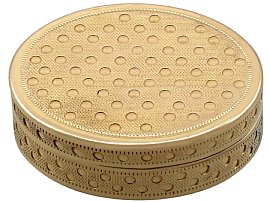
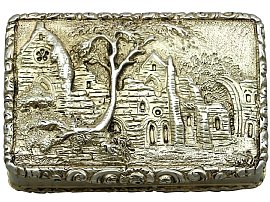
AC Silver is pleased to offer a fine range of antique silver vinaigrettes for sale.
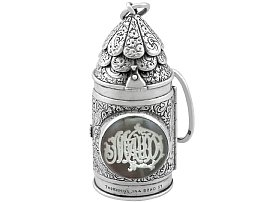
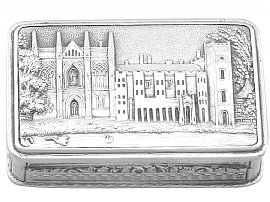
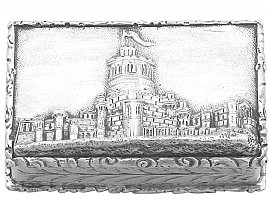
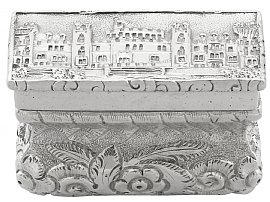
Our diverse vinaigrette inventory includes exceptional and collectable examples from the Victorian and Georgian eras, in addition to a range of vinaigrettes available to buy from the prolific maker Nathanial Mills.
Andrew Campbell, using his 40 year's experience within the antique industry, handpicks all antique and vintage vinaigrettes for sale.
All of the silver vinaigrette boxes at AC Silver come with free and insured worldwide shipping and a 14 day return policy.
Frequently Asked Questions
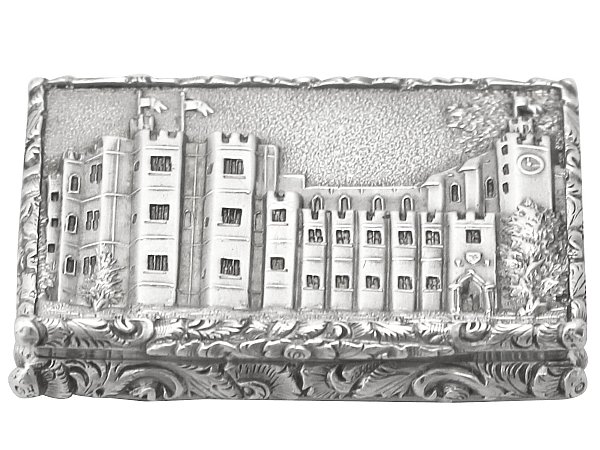
Sterling silver vinaigrettes are small decorative boxes that were used during periods of travel, as a more accessible and practical alternative method of carrying perfume and scents than moving large glass scent bottles and vials. The perfume, or aromatic vinegar, would be contained within these boxes soaked in a sponge. The box would also have a grille to cover the sponge. Vinaigrette sizes tended to vary, with their widths spanning from 0.5 to 4 inches. Silver examples would always be gilded at the point where the sponge would touch the metal. This was to avoid any corrosion. Today, vinaigrettes are a highly collectable item of antique silver.
Being able to drown out the scent of muddied streets and open sewers with sweet-smelling scents was essential for anyone who could afford it. Vinaigrettes, therefore, were key accessories for the sophisticated lady or gentleman.
During the 19th century, vinaigrettes were a fashionable indication of social ranking, as those who were able to afford perfume or concern themselves with their outward appearance at all were among the elite. Sanitisation standards were low for all including the highest classes, but they were able to compensate with perfume which would distinguish them from the working class. Not only could it disguise the scents of the streets; many also believed that pleasant smells would protect them from diseases. The association between illness and bad smells was understood at this time - the cause and effect, however, was misunderstood.
Perfume was also an exotic extravagance, so to be able to both afford perfume and then contain it within a decorative vinaigrette was the height of social distinction and a display of grandeur and wealth. The early grilles in vinaigrettes were pierced in simple, geometric shapes. Sometimes, engraving that corresponded to the box itself also featured. Later on, some vinaigrettes included impressive decoration on the grille. Flora and fauna were popular features, with birds and flowers being the most common in this style. Finding examples like this today can be challenging for collectors, so keeping a keen eye out is important.
By the 19th century, a variety of perfume containers existed, the vinaigrette, a gilded metal box with a pierced, decorated interior grille, was used to hold sponges soaked in scented vinaigres de toilette (aromatic vinegar). The interiors were gilded to prevent the silver from staining. From 1800 - 1850, these boxes were manufactured in vast quantities in various shapes and forms. Often the shapes were delicate and tasteful, reflecting the sophistication of the owner.
As with many personal items of sterling silver antiques, the novelty of unusual shapes and designs proved to be popular, with designs like mussel shells and acorns becoming very valuable to collectors today.
These were worn around the neck for convenience - being able to quickly douse one's self in scent or raise the preferred scent to your nose while travelling couldn't be undervalued. However, they were also a fashionable statement as well as having been incredibly practical in the 18th century.
Examples crafted in the Georgian and Regency periods tend to be the most sought after, with the quality declining slightly in the Victorian age. The pieces that were made in the Victorian era were also almost exclusively used by women. If you are looking for perhaps the finest examples from around this era, the work of Nathanial Mills (who worked from 1826 -1850) would be an excellent place to start. The advent of improved sanitation around the mid-19th century meant that vinaigrettes were exposed for not actually preventing illness, and their popularity eventually died down.
Presently, these trinkets still make for wonderful gifts or personal treasures. Their diminutive size and charming detail allow them to be worn as pendants or to be transported easily as first intended. These vinaigrettes are the first incarnation of the travel size perfume decanters which have consistently been used since the 18th century, and remain as popular as ever to this day.
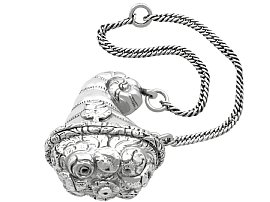
A vinaigrette necklace is a type of jewellery that combines fashion with a practical function, popular particularly in the 18th and 19th centuries. When incorporated into a necklace, the vinaigrette is suspended from a chain, allowing it to be worn around the neck. This made it both a practical accessory for carrying a personal scent and a fashionable piece of jewellery. The designs of vinaigrette necklaces could range from simple and elegant to highly ornate, often featuring intricate engravings, enamel work, or set with gemstones.
A vinaigrette is not the same as a snuff box. A snuff box holds powdered tobacco (also known as snuff) for inhalation, while a vinaigrette contains scented substances for inhalation or refreshment. Though both are small and portable, with many examples being crafted in precious materials.
Any more questions? Contact Us
Proud Members of